
Bryum caespitosum
Bryum caespitosum
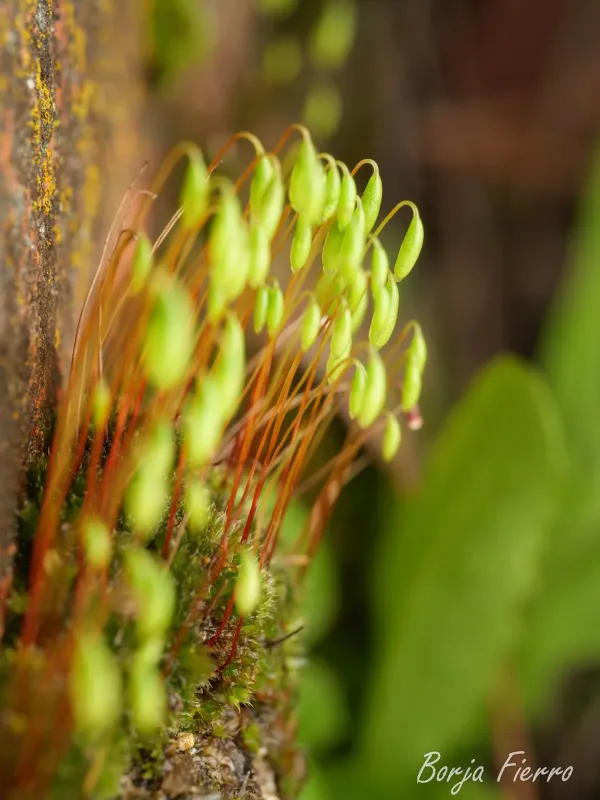
Description
Growing requirements
Bryum caespitosum is a species belonging to the Bryaceae family. It is a perennial moss that forms compact, dense tufts, which play a significant role in maintaining the moisture levels of the soil surface in its habitat.
The distribution of this species covers various temperate regions, where it thrives in moist, mineral-rich environments. It is frequently observed along water margins, damp rocks, and open soil patches that are prone to colonization by pioneering species.
Climatic requirements are focused on humidity and steady water supply. While it is hardy and can survive frost, the moss relies heavily on atmospheric moisture and consistent soil dampness to maintain its metabolic activities throughout the growing season.
Soil conditions are critical for its development; the species prefers substrates that are neutral to slightly acidic and possess good water-holding capacity. It often acts as a bioindicator for areas with stable hydrological conditions.
In terms of practical utility, Bryum caespitosum is primarily valued in environmental studies and ecological restoration. Its ability to stabilize loose soil surfaces makes it a functional component of natural ground cover in disturbed landscapes.
Main diseases and pests
The primary threats to Bryum caespitosum populations include significant alterations in local hydrology, such as drainage or prolonged droughts, which severely limit the moss's ability to photosynthesize.
Fungal pathogens represent a biological risk, especially in stagnant water conditions where high humidity encourages the growth of molds that can rot the dense moss carpet.
Herbivorous invertebrates, including certain mite species, may feed on the moss tissues, particularly during periods of environmental stress when the plant is less capable of rapid regeneration.
Pollution from agricultural runoff, including nitrates and pesticides, can significantly reduce the vitality of these bryophytes, as they absorb nutrients and toxins directly through their surface.
Human-induced physical damage, such as soil compaction and frequent foot traffic, poses a continuous threat, as it destroys the delicate turf structure essential for the plant's survival.