
Bryum bicolor
Bryum bicolor
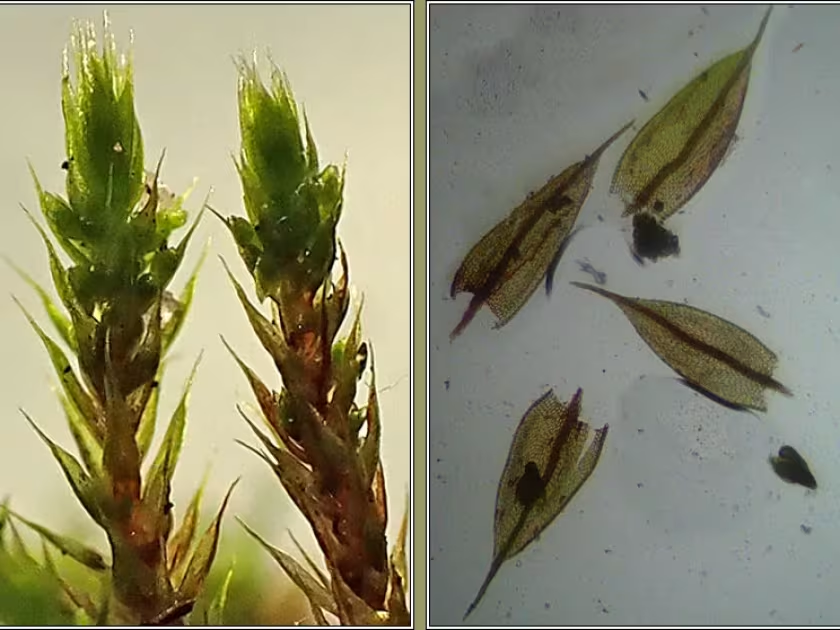
Description
Growing requirements
Bryum bicolor is a species of moss belonging to the family Bryaceae. While not a commercial crop, it is a significant organism in soil ecology, often serving as a pioneer species in disturbed habitats and fallow agricultural lands.
This moss is widely distributed across temperate regions globally. It thrives in open, sunny, or partially shaded areas, showing a high preference for substrates with a disturbed upper soil layer where competition from vascular plants is minimal.
The species requires moderate moisture levels to maintain its physiological functions. It is highly adaptable to various soil types, including sandy, loamy, and even compacted clay-based soils often found in industrial or agricultural zones.
Botanically, it forms dense, low-growing turf cushions. These structures are crucial for micro-habitat formation, providing stability to the soil surface and helping to retain moisture during periods of low rainfall.
From an agronomist's perspective, the colonization of fields by Bryum bicolor is a diagnostic tool. It often indicates compacted soil surfaces, drainage issues, or an imbalance in soil chemistry that warrants structural improvements for crop success.
Main diseases and pests
Extended drought periods present the greatest threat to Bryum bicolor. As a poikilohydric plant, its survival depends on environmental moisture, and severe dehydration can lead to metabolic failure.
The primary biological threat is competition from fast-growing weeds. Tall canopy-forming plants shade the moss, effectively cutting off the light necessary for its survival and causing local extinction of the colony.
Agrochemicals, particularly systemic herbicides used in weed management, are detrimental to Bryum bicolor. These compounds interrupt the growth cycles of bryophytes and are frequently used to eradicate moss growth in nurseries and fields.
Over-fertilization with nitrogenous compounds alters the chemical composition of the substrate, which can negatively affect the growth of bryophytes and favor the development of competing nitrophilous plants.
While mosses are generally resistant to many pathogens, high humidity combined with stagnant air can sometimes encourage fungal growth, leading to necrotic spots within the moss cushion.