
Bryopsis adriatica
Bryopsis adriatica
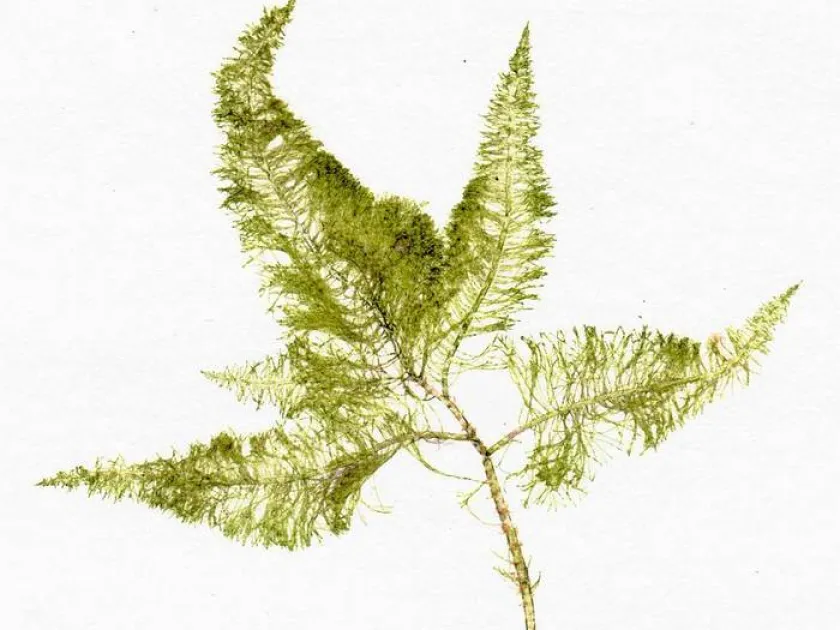
Description
Growing requirements
Bryopsis adriatica is a prominent species of siphonous green algae belonging to the Bryopsidaceae family. Its body consists of a single giant multinucleate cell, which is a fascinating feature of marine botany.
This species is native to the Mediterranean, Adriatic, and Black Sea regions. It primarily inhabits shallow rocky coastal zones where it attaches firmly to substrate surfaces to maximize nutrient uptake.
The culture requires specific environmental parameters, including consistent water salinity and stable temperatures. Moderate light intensity is essential for maintaining healthy growth rates and ensuring photosynthesis.
In aquaculture or laboratory settings, these algae thrive in nutrient-rich marine water, though they are notoriously sensitive to poor water quality. Consistent circulation is vital to distribute minerals throughout the thallus.
The morphology of Bryopsis adriatica is characterized by its feathery, branched structure. This high surface-area-to-volume ratio allows the organism to rapidly sequester nutrients from its surroundings.
Main diseases and pests
The primary threats include various marine gastropods and sea urchins that graze upon the soft tissues of the algae, often decimating localized populations.
Environmental stressors such as pollution, particularly run-off from coastal areas containing high levels of phosphates, can trigger imbalanced growth and subsequent decay.
Biological competition with other fast-growing filamentous macroalgae often results in Bryopsis adriatica being outcompeted for available space on the seafloor.
Infections caused by specific aquatic pathogens can lead to localized necrosis if the environmental conditions deviate from the ideal range for the species.
Extreme climate shifts affecting ocean temperatures can interrupt the reproductive cycles, leading to long-term decline in the coverage of the organism in its natural range.