
Brussels sprouts
Brassica oleracea L. (Brussels Sprouts Group)
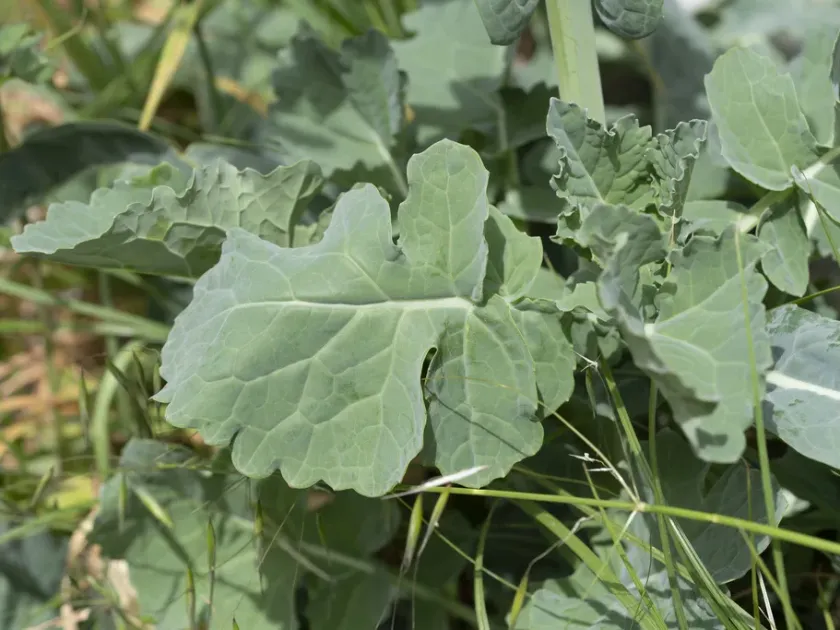
Description
Sowing dates
Brussels sprouts (Brassica oleracea L. var. gemmifera) are a long-season crop belonging to the Brassicaceae family. Due to their extended growth cycle, they are typically started as transplants in trays or greenhouses.
Seeds are sown in early spring, usually 6 to 8 weeks before the intended transplanting date. Ensuring a steady growth rate without heat stress is crucial for establishing robust seedlings.
Transplanting to the open field occurs in late spring, once the danger of hard frosts has passed. However, since the plants are cold-hardy, they thrive in the cooler temperatures of the late autumn season.
Proper spacing is essential to allow for adequate airflow between plants, typically requiring 60 cm by 60 cm. This spacing helps mitigate the risk of fungal diseases during the humid autumn months.
For success, it is important to choose varieties based on the regional climate, as some hybrids are specifically bred for earlier maturity in shorter growing seasons.
Growing requirements
These plants require deep, fertile soil that is well-drained but retains moisture. A pH level between 6.0 and 7.0 is ideal to prevent diseases such as clubroot.
Consistent irrigation is vital, as the plant has a large leaf surface area that loses water rapidly. Water stress can lead to loose, poor-quality sprouts that fail to firm up.
Brussels sprouts need full sun exposure to produce high yields. Even partial shade can cause the plant to become leggy and significantly reduce the density of the sprouts.
Nutrient management should focus on sufficient nitrogen for early growth, followed by potassium and phosphorus to support the development of the sprouts themselves.
Hilling (earthing up) is a standard practice to support the tall stem, which protects the plant from lodging during high winds or heavy rain periods.
Yield
Yields can be substantial, with a healthy plant producing between 30 to 70 sprouts. Good agricultural practices can lead to yields of several kilograms per square meter.
To maximize the crop, many growers "top" the plant—pinching off the growing point of the main stem in late summer. This redirects the plant's energy into maturing the lateral buds.
Mechanical harvesting is common in large-scale commercial operations, where entire stalks are cut and processed, or harvesting is done by specialized machinery.
The culinary value is high, as the product is rich in vitamins C and K, as well as fiber. It is a staple crop for both fresh market sales and the frozen food industry.
Post-harvest, the sprouts should be kept cool and moist to maintain their bright green color and crisp texture before processing or storage.
Main diseases and pests
The most significant threat is the cabbage aphid, which colonizes the undersides of leaves and clusters around the sprouts, causing severe damage.
Caterpillars of the cabbage white butterfly can defoliate plants rapidly. Regular scouting and the use of physical barriers like row covers can be very effective.
Clubroot is a soil-borne disease that causes root swelling and stunted growth. It is notoriously difficult to eradicate, making long-term crop rotation essential.
Fungal diseases like downy mildew and alternaria can occur under humid, cool conditions, requiring careful moisture management and, in some cases, targeted fungicides.
Sanitation is key; removing crop debris after harvest helps break the lifecycle of many pests and diseases that might otherwise overwinter in the field.
Harvesting
Harvesting usually begins when the sprouts at the base of the stem reach a diameter of 2–4 cm. They should be firm, tight, and vibrant in color.
The harvest is progressive, starting from the bottom of the stalk and moving upwards over several weeks, allowing the upper sprouts more time to reach maturity.
Light frosts in the autumn are often beneficial, as they improve the flavor of the sprouts by increasing their natural sugar content.
For fresh storage, sprouts can be kept in a cold room or refrigerator at around 0°C. High humidity is necessary to prevent wilting and maintain freshness for several weeks.
If harvested for immediate use, the sprouts should be cleaned of loose outer leaves and kept in a cool, dark place to avoid quality degradation.