
Brucea mollis
Brucea mollis
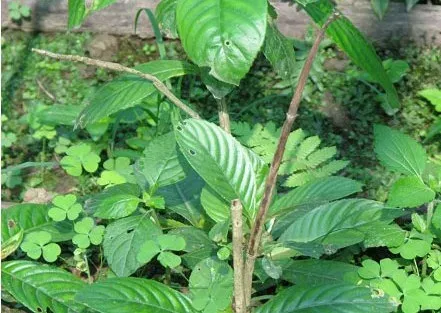
Description
Growing requirements
Brucea mollis is a woody plant belonging to the Simaroubaceae family, recognized for its significant medicinal potential. It is closely related to Brucea javanica and serves as a valuable source of bioactive compounds used in traditional and modern pharmacology.
The plant originates from the tropical zones of Southeast Asia, where it thrives in humid and warm environments. It requires a stable climate with consistent temperatures to support its metabolic processes and the synthesis of secondary metabolites.
For successful cultivation, the soil should be well-drained, fertile, and slightly acidic. Waterlogging is detrimental to the root system, so selecting elevated planting sites or implementing sophisticated drainage systems is essential for plantation longevity.
The agricultural technique involves regular nutrient management, specifically focusing on nitrogen-potassium balance during the growth phase. It also requires moderate shading, as young saplings are particularly sensitive to direct tropical sunlight.
Host plant utilization is primarily directed toward the pharmaceutical sector. Extracts derived from the leaves and fruits of this species contain quassinoids known for their anticancer, antimalarial, and anti-inflammatory properties.
Main diseases and pests
Common pests affecting Brucea mollis include spider mites and scale insects, which typically target the foliage during dry seasons. Integrated pest management strategies, focusing on biological controls, are highly recommended to preserve the quality of medicinal raw material.
Fungal pathogens such as root rot can occur in areas with poor drainage or excessive humidity. Preventive measures include soil aeration and strict irrigation scheduling to avoid the development of anaerobic conditions around the root collar.
Leaf spot diseases, often caused by fungal infections, can affect the crop during prolonged rainy periods. Effective management includes thinning the canopy to improve air circulation and applying copper-based fungicides when necessary.
Weed competition is a significant concern during the establishment stage of the plantation. Utilizing mulch covers is a standard practice to suppress weeds and maintain soil moisture levels in tropical environments.
Long-term plantation health depends on regular monitoring of plant stress signals. Implementing a balanced fertilization plan helps strengthen the plant's natural immunity against common endemic diseases.