
Brucea antidysenterica
Brucea antidysenterica
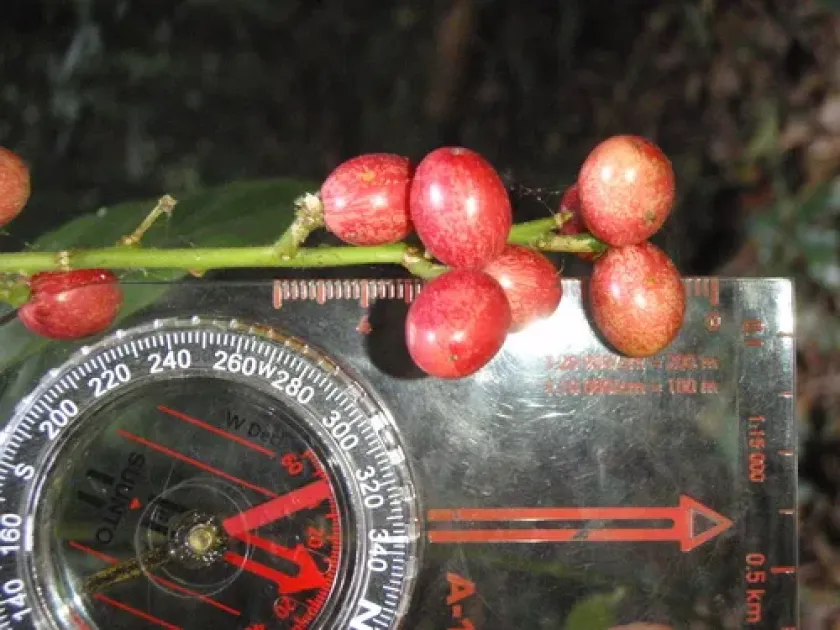
Description
Sowing dates
Propagation of Brucea antidysenterica in cultivation is primarily carried out by seed. The seeds require preliminary stratification to increase germination energy due to their dense outer shell.
Sowing in tropical regions is conducted at the beginning of the rainy season, which ensures optimal soil moisture for uniform seedling emergence. In nurseries, it is recommended to use light, well-drained substrates with a neutral pH level.
The sowing depth is 2–3 cm, and it is important to maintain a stable soil temperature of no less than 22–25 degrees Celsius. Transplanting young seedlings to their permanent location is done once they reach a height of 30–40 cm.
Seedlings are planted at a spacing of 3x3 or 4x4 meters to provide sufficient room for the development of a strong tree canopy. Planting density directly depends on the purpose of cultivation — industrial raw material harvesting or ornamental use.
An important factor during sowing is protection from direct sunburn in the early stages; therefore, young plants often require light shading during the first few months after planting.
Growing requirements
Brucea antidysenterica belongs to the Simaroubaceae family and is an evergreen tree or shrub reaching a height of 5–10 meters in its natural habitat.
The crop is a thermophilic plant that grows primarily in tropical and subtropical latitudes of Africa, Asia, and Australia. The optimal temperature range for growth is between 20 and 30 degrees Celsius.
The plant does not have extremely strict soil requirements, but it prefers fertile, loamy, or sandy soils with excellent drainage. Stagnant moisture in the root zone can lead to the development of fungal infections.
The plant's moisture requirements necessitate regular irrigation during dry periods; however, once the tree reaches maturity, it gains moderate resistance to short-term moisture deficits.
The plant is light-loving, though it develops better in diffused light during its youth, which should be considered when planning the plantation site.
Yield
The main economic resources of Brucea are its fruits and bark, which contain biologically active substances known as quassinoids that possess significant anti-parasitic and antibacterial properties.
Yield depends on the age of the tree, soil quality, and agricultural care. Fruit harvesting begins 3–4 years after planting when the tree enters its active fruiting phase.
The yield of dry medicinal raw material varies depending on the climatic conditions of a particular season. In industrial settings, fruits are harvested by hand, taking into account their specific chemical composition.
The bark is also valuable and is harvested with caution to avoid damaging the plant; the preferred method is the partial removal of bark from lateral branches.
Overall plantation productivity remains high for up to 15–20 years, provided that sanitary and formative pruning is performed to stimulate active branching.
Main diseases and pests
Like most tropical crops, Brucea is susceptible to attacks by specific pests such as aphids, scale insects, and various types of leaf-eating caterpillars that damage young foliage.
In conditions of excessive soil moisture, there is a high risk of root rot caused by pathogenic fungi from the genera Phytophthora and Pythium.
Disease prevention consists of maintaining optimal planting density to ensure good canopy ventilation and preventing mold development within the bush.
Pest control is carried out using biological preparations and systemic insecticides approved for use on medicinal crops to maintain the purity of the raw material.
Regular cleaning of the area around the base of the trees from fallen leaves helps significantly reduce the infectious background on the plantation and prevents the arrival of insect pests.
Harvesting
Harvesting of Brucea fruits is carried out during their full biological maturity, when the content of active quassinoids reaches its peak.
The harvesting technology involves carefully picking fruits from the branches, avoiding damage to the bark and young shoots, which could serve as entry points for infection.
After harvest, fruits require immediate primary processing: cleaning of impurities followed by delicate drying at a controlled temperature of up to 40–45 degrees Celsius.
Storage of dried raw material is carried out in dry, ventilated rooms in paper or cloth packaging, preventing moisture absorption from the surrounding air.
Adherence to harvest regulations is critical, as failure to follow the temperature regime during drying can lead to the degradation of active substances and a decrease in the pharmacological value of the product.