
Brucea javanica
Brucea javanica
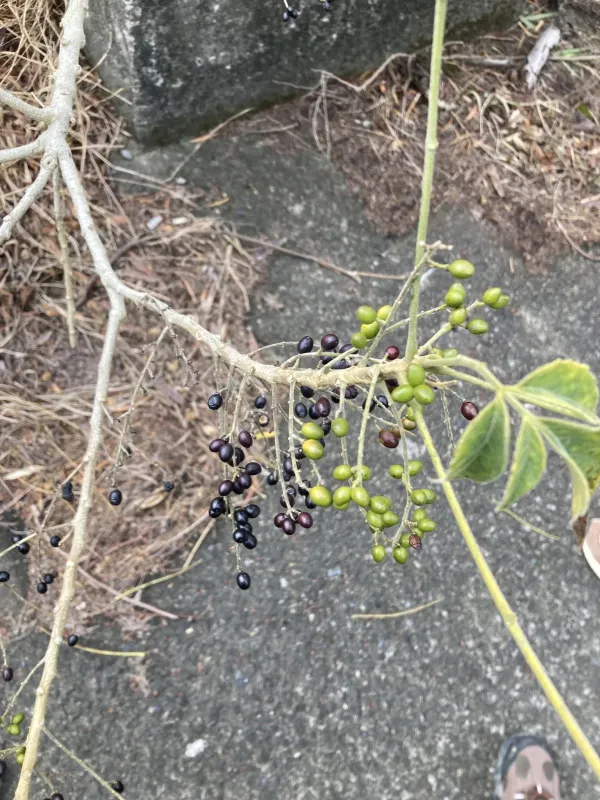
Description
Growing requirements
Brucea javanica is a perennial shrub or small tree belonging to the Simaroubaceae family. It is recognized by its dense, pinnately compound leaves and small, yellowish-white flowers arranged in panicles.
The plant is native to tropical and subtropical regions of Southeast Asia, ranging from India and China to the Philippines and Indonesia. It thrives in diverse environments, including forests and disturbed open areas.
For agricultural cultivation, the plant requires well-draining, nutrient-rich soil. It is highly sensitive to waterlogging, which often leads to root rot and significant yield losses in commercial plantations.
Optimal growth conditions involve a warm, tropical climate with consistent temperatures and high humidity levels. It performs best in full sunlight or partial shade depending on the stage of development.
The economic importance of Brucea javanica lies primarily in its seeds, which contain pharmacologically active quassinoids. These compounds are widely studied for their antimalarial, anticancer, and anti-inflammatory properties.
Main diseases and pests
Agricultural threats include various soil-borne pathogens that attack the root system during the rainy season. Good soil management and proper spacing are essential to ensure adequate air circulation and reduce disease pressure.
Insect pests such as leaf-eating caterpillars can significantly reduce the photosynthetic surface of the plant. Integrated pest management strategies, including the use of neem-based oils or beneficial insects, are recommended.