
Broughtonia sanguinea
Broughtonia sanguinea
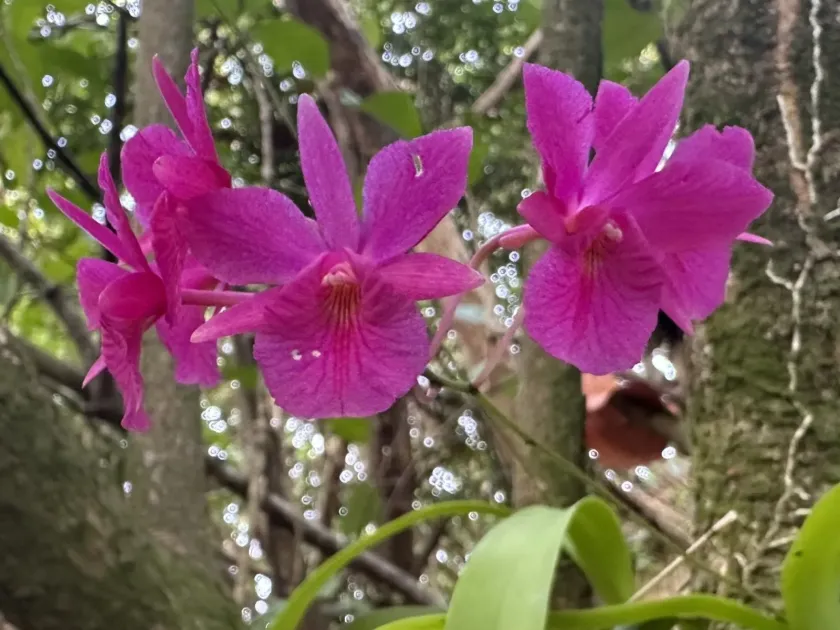
Description
Growing requirements
Broughtonia sanguinea is a fascinating orchid species belonging to the Orchidaceae family, native to the coastal regions of Jamaica. This lithophytic and epiphytic plant is highly prized by collectors for its vibrant, blood-red flowers and compact growth habit.
The plant features clusters of small, hard, egg-shaped pseudobulbs that store water, allowing it to survive periods of limited rainfall. Botanically, it is perfectly adapted to intense sunlight, making it one of the few orchids that thrive in very bright locations.
Cultivation requirements involve a highly airy, fast-draining substrate. Because of its epiphytic nature, mounting it on cork bark or planting it in a very loose mixture of large-grade fir bark and charcoal is essential for root health.
Environmental conditions should mimic its native habitat with high daytime temperatures (22–30°C) and a distinct cooling period at night. Proper air circulation is mandatory to prevent heat stress and fungal issues during the warmer months.
Watering frequency should vary with the seasons. During the active growth period, it requires consistent moisture followed by a dry-down phase. In the dormant season, water intake should be significantly reduced to prevent physiological rot.
Main diseases and pests
Common pests that target Broughtonia sanguinea include mealybugs and scale insects. These pests often congregate near the base of the pseudobulbs or within the leaf axils, necessitating routine inspections of the plant's structure.
Spider mites are a potential threat, especially in environments where the air humidity is kept too low. Regular misting or the use of humidifiers can help deter these pests while promoting the general health of the orchid.
Fungal rots, such as black rot, can occur if water sits stagnant around the base of the plant or in the leaf crevices for too long. Improving ventilation and ensuring water is cleared from the foliage before nightfall is crucial.
Bacterial soft rot can spread rapidly in cramped, high-humidity environments. If symptoms appear, the affected tissues must be removed immediately with a sterilized cutting tool, and the wound should be treated with an antiseptic agent.
Root health is the best indicator of overall plant vitality. If the roots appear mushy or blackened, the orchid is likely suffering from overwatering or a degraded potting medium, requiring immediate repotting to save the specimen.