
Broughtonia cubensis
Broughtonia cubensis
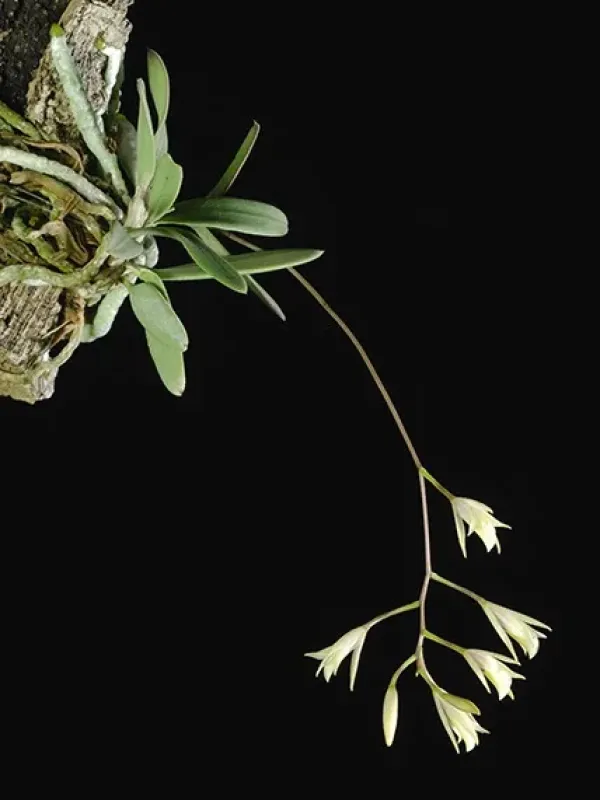
Description
Growing requirements
Broughtonia cubensis is a distinctive epiphytic orchid belonging to the Orchidaceae family. Naturally occurring in Cuba, this species is highly specialized for tropical environments, typically inhabiting tree branches where air circulation is abundant.
In cultivation, this plant thrives under bright, filtered light conditions. It is essential to protect the leaves from harsh, direct sunlight during midday, which can cause severe dehydration and leaf scorch in this delicate orchid species.
A stable temperature range is vital for the growth of Broughtonia cubensis, with optimal daytime temperatures between 22 and 28 degrees Celsius. Providing a slight cooling effect at night helps to mimic the natural diurnal rhythm.
The choice of substrate is critical; a coarse mix of pine bark, charcoal, and perlite is recommended to ensure rapid drainage. This orchid requires its roots to dry out partially between waterings to prevent root rot.
Humidity management is a cornerstone of success, with levels preferred between 60 and 80 percent. Regular misting or the use of a humidifier is necessary, particularly in indoor environments during the heating season.
Main diseases and pests
The most significant threat to Broughtonia cubensis is fungal infection caused by waterlogged media. Poor drainage rapidly damages the roots, necessitating immediate repotting into fresh, dry substrate and treatment with fungicides.
Spider mites are common pests that thrive in dry air conditions. They colonize the underside of leaves, causing yellowing and loss of vigor, and can be managed with periodic leaf cleansing and appropriate miticides.
Mealybugs can often hide in the tight junctions of the leaves and bulbs. Regular monitoring and the application of neem oil or insecticidal soap are effective methods for controlling these hidden infestations.
Inadequate ventilation is another common issue, often leading to the growth of mold or mildew on the substrate surface. Consistent air movement is necessary to maintain the plant's health and prevent bacterial stagnation.
Finally, maintaining a strict fertilization schedule is required to ensure consistent development. Balanced fertilizers formulated for orchids, applied at half-strength during the growing season, yield the best results.