
Great brome
Bromus diandrus Roth
Description
Growing requirements
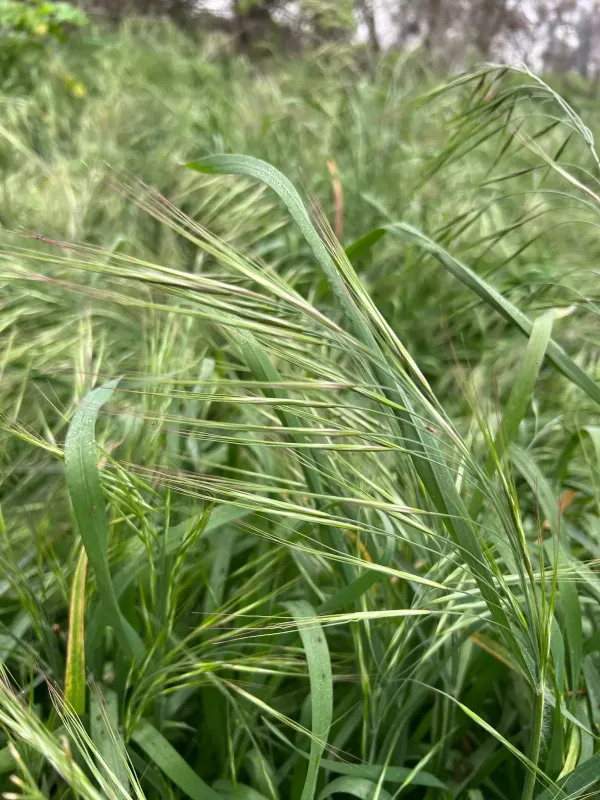
Great brome (Bromus diandrus Roth) is an annual grass species belonging to the Poaceae family. It is recognized for its robust growth, featuring tall culms and inflorescences with long, characteristic awns, which facilitate the dispersal of seeds by wind and animals.
Native to the Mediterranean region, this grass has established a wide distribution across various continents. It thrives in well-drained soils and is particularly successful in colonizing disturbed areas, field margins, and cultivated cereal fields.
Climate requirements for this species are relatively flexible, yet it prefers areas with mild winters. Its ability to tolerate low soil fertility and moisture scarcity allows it to establish competitive dominance in dryland farming systems.
Agricultural management of great brome focuses on preventing its establishment in crop fields. Effective techniques include competitive crop planting and the implementation of fallow periods to reduce the seed bank in the soil profile.
Soil management practices such as deep tillage help bury seeds to depths where they are less likely to germinate. However, integrated weed management remains the most reliable strategy due to the plant's high reproductive potential.
Main diseases and pests
As a highly competitive weed, great brome poses a significant threat to cereal crop yields. It utilizes resources early in the season, often stunting the growth of wheat and barley crops before they can reach maturity.
The plant acts as a host for various fungal diseases, including powdery mildew and rusts. These pathogens can easily transfer to nearby cereal crops, leading to widespread infection and the need for fungicide interventions.
Pest populations, such as aphids and leafhoppers, frequently utilize great brome as an overwintering site. These insects can vector viral diseases to crops, further compromising the health and vitality of the field production.
Soil-borne nematodes are also commonly associated with infestations of this weed, causing root damage that significantly reduces the plant's ability to uptake water and nutrients during critical growth stages.
Controlling these threats involves a combination of mechanical weed removal and chemical applications. Due to the emergence of herbicide-resistant biotypes, farmers must rotate herbicide groups to maintain effective control over this persistent weed.