
Chess brome
Bromus secalinus L.
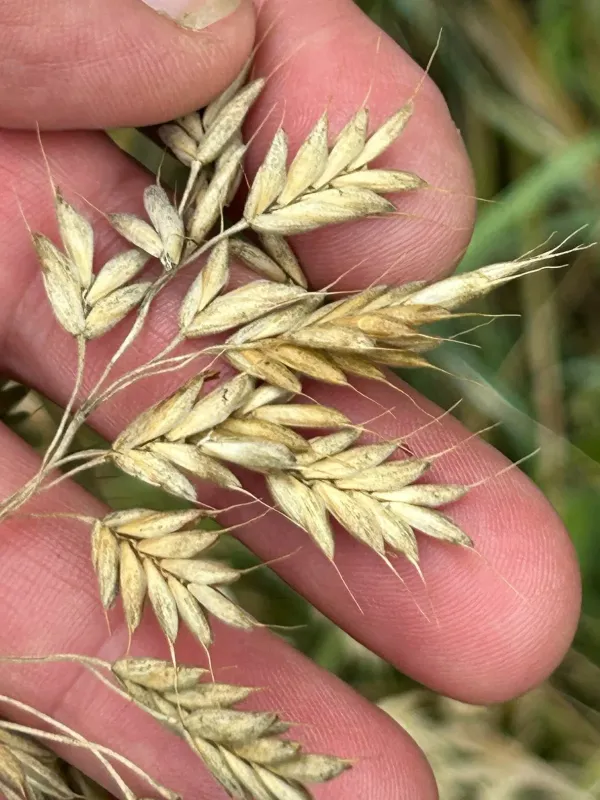
Description
Sowing dates
Chess brome (Bromus secalinus L.) is a member of the Poaceae family, widely known historically as a common weed in winter cereal fields, particularly in rye crops.
The plant typically follows an annual or biennial cycle, with seeds germinating in autumn to establish a rosette before the onset of winter dormancy.
When sown for agricultural purposes, planting is conducted in early autumn to allow the plants to develop strong root systems before the cold weather sets in.
Proper seed spacing and depth are crucial, as sowing too deep can lead to poor emergence and weak initial development of the young grass plants.
The selection of competitive crop rotations is a common strategy in field management to keep the population of this grass within manageable limits.
Growing requirements
This grass thrives in fertile, well-structured loam or clay soils that are rich in organic matter and provide stable nitrogen levels for active growth.
The plant exhibits high cold tolerance, which is one of its main survival strategies in temperate climates, allowing it to survive harsh winters under snow cover.
Moisture is a key requirement; while it can survive short dry spells, sustained drought during the stem elongation phase can severely hinder its development.
Chess brome requires well-drained conditions, as waterlogging can cause significant damage to the root system and reduce the overall vigor of the stand.
Good light exposure is necessary for healthy photosynthesis; the grass generally underperforms in dense shade created by surrounding vegetation or taller crops.
Yield
The green biomass yield varies depending on soil fertility and climate, generally ranging from 15 to 25 tons per hectare in well-managed conditions.
Seed production is possible with specialized cultivation, typically yielding between 1 and 2 tons per hectare when the stand is healthy and free of disease.
Productivity is highly correlated with the density of the initial stand; adequate tillering is essential to ensure a high harvestable biomass by late spring.
Nitrogen fertilization acts as a primary yield booster, encouraging rapid green growth and increasing the overall protein content of the harvested forage.
Favorable weather with timely spring rainfall is critical for maintaining uniform growth across the field, preventing uneven maturation during the harvest period.
Main diseases and pests
The species is susceptible to various fungal pathogens, including rusts and powdery mildew, which can significantly reduce both biomass quality and yield.
Insect pests, such as aphids and various cereal flies, can attack the young plants, leading to stunted growth and reduced vigor throughout the growing season.
Effective control strategies involve the use of resistant varieties where available and the application of fungicides during the critical stages of plant development.
Crop rotation and strict sanitation of seed lots are vital in preventing the buildup of soil-borne diseases that could affect successive plantings.
Regular field scouting is recommended to detect any signs of infestation early, allowing for targeted intervention before the pests reach economic threshold levels.
Harvesting
Harvesting for forage should take place at the booting stage to ensure the highest nutritional value and palatability for livestock consumption.
If harvested for seeds, the process is usually performed using combines when the grain reaches the hard dough stage and moisture levels decrease.
Equipment settings for harvesting must be adjusted to prevent excessive seed shattering, as the seeds tend to dislodge easily during mechanical operations.
Post-harvest drying is essential to maintain seed longevity and prevent mold growth, especially if the grain is harvested at higher moisture content levels.
Proper cleaning of the harvested material using air-screen cleaners is necessary to remove chaff and ensure a high-quality product for market or replanting.