
Meadow brome
Bromus riparius Rehmann x B. inermis Leyss
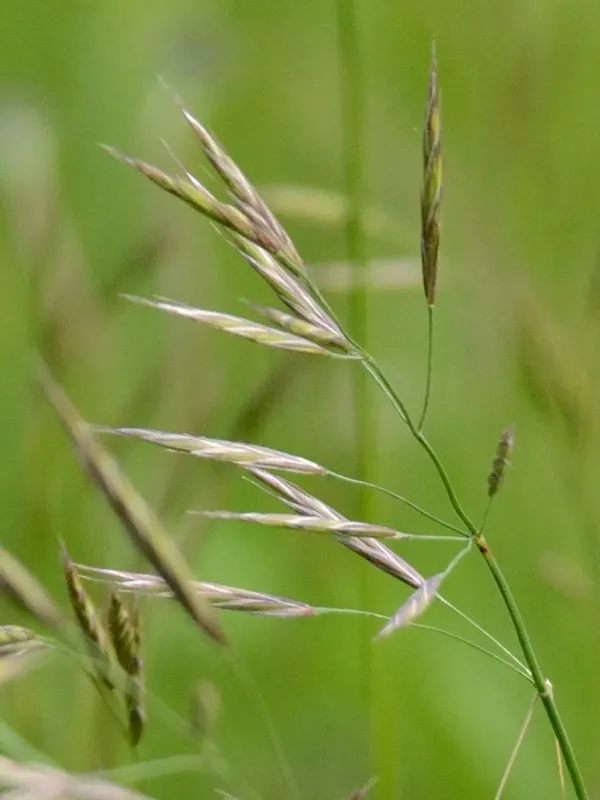
Description
Sowing dates
Meadow brome is typically sown in early spring as soon as the soil is workable, ensuring enough moisture for rapid germination.
Late summer sowing is also a viable option in many regions, provided there is sufficient soil moisture for establishment before the first frost.
Seed depth should be managed carefully, with a target of 1-2 centimeters in a firm and well-prepared seedbed for optimal emergence.
Using a drill seeder with proper row spacing helps reduce weed competition and promotes more uniform growth across the entire field.
Post-seeding compaction is highly recommended to improve soil-to-seed contact and ensure consistent germination rates for the crop.
Growing requirements
This species is a perennial grass from the Poaceae family, widely known for its superior regrowth and vigorous root system.
It prefers well-drained, fertile soils but displays excellent tolerance to various soil types, including those prone to periodic drought.
Meadow brome requires a cool to moderate climate to thrive, showing exceptional winter hardiness even in harsh northern conditions.
The plant performs well in a pH range of 6.0 to 8.0, making it suitable for a broad variety of agricultural lands across temperate zones.
Regular fertilization with nitrogen is essential for maintaining high productivity in pastures that are grazed intensively over several years.
Yield
Yield potential is significantly impacted by the availability of moisture and the nutritional status of the soil during the growing season.
Under irrigated conditions, the crop can provide multiple cuts, resulting in a high total biomass yield per hectare for forage production.
Dry matter yields of 5 to 9 tonnes per hectare are common in well-managed stands, depending on the specific environmental conditions.
The regrowth capacity of Meadow brome is one of its most important traits, allowing for quick recovery after both grazing and mechanical harvest.
Productivity typically peaks during the second and third years after establishment, provided that the soil fertility is adequately maintained.
Main diseases and pests
While generally resistant to many pests, the crop can occasionally be affected by leaf rust and powdery mildew during humid weather.
Insect pressure from stem-boring insects may occur, although it rarely reaches economic thresholds in established, healthy stands.
Proper field rotation and avoiding continuous monoculture can help mitigate the buildup of soil-borne pathogens and pests over time.
Monitoring for signs of disease early in the season is a proactive measure that helps in determining if intervention is necessary.
Cultural practices, such as maintaining adequate grazing height, help the plant resist stress and minimize the risk of widespread infection.
Harvesting
Harvesting for hay should be timed precisely at the early head stage to optimize the balance between total yield and nutritional quality.
Grazing management should focus on preventing overgrazing, which allows the root reserves to replenish and ensures long-term stand survival.
When used for silage, the material should be wilted properly to achieve the right dry matter content for high-quality fermentation.
Mechanical harvesting equipment should be set to a proper height to avoid damage to the crowns, which is vital for vigorous regrowth.
Stored hay must be protected from moisture to prevent heating and spoilage, preserving the feed value for winter livestock feeding.