
Napa cabbage
Brassica rapa L. subsp. nipposinica (L. H. Bailey) Hanelt
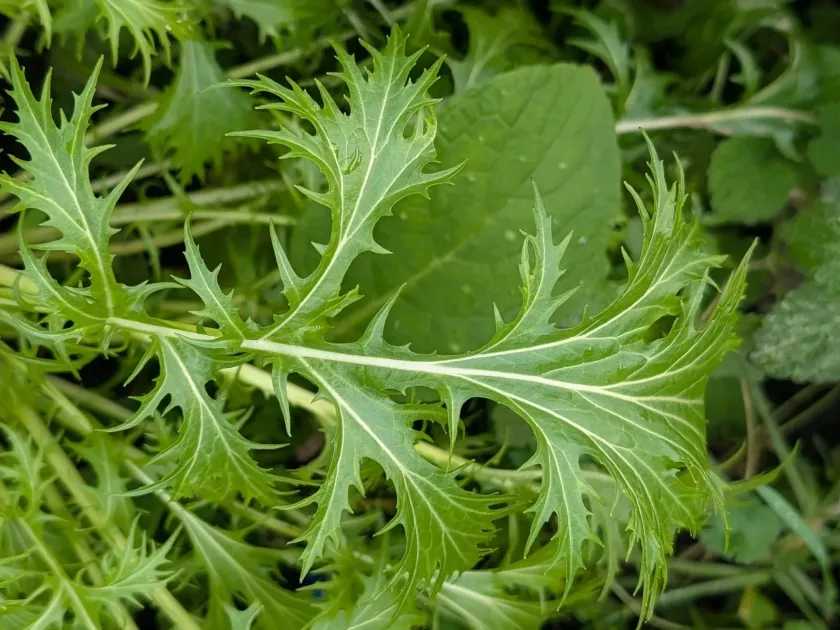
Description
Sowing dates
Napa cabbage belongs to the Brassicaceae family and is a fast-maturing crop, allowing for two harvests per season. Spring sowing in open ground is conducted once soil temperatures reach 10–12°C, usually in April, to ensure plants develop before the long days of summer arrive.
For the summer-autumn cycle, seeds are sown in late July or early August. This timing is critical, as long day conditions during the rosette stage trigger bolting, making the formation of a marketable head impossible.
The crop is characterized by a short vegetation period ranging from 50 to 80 days depending on the variety. Using seedlings is optimal for early production, with 25-day-old transplants being set out into prepared beds.
When direct seeding into the ground, it is essential to follow a spacing scheme that provides sufficient feeding area, usually 30x40 cm or 40x50 cm. Seed planting depth is 1–1.5 cm to ensure uniform germination.
Selecting hybrids based on sowing dates is a key success factor. Breeders offer specific varieties resistant to early flowering, which are better suited for spring cultivation cycles.
Growing requirements
Napa cabbage is demanding regarding soil and air moisture, preferring fertile, well-draining loams with a neutral to slightly acidic pH. Waterlogging is detrimental as it leads to root rot issues.
The ideal temperature for growth is between 15–20°C. Temperatures exceeding 25°C slow growth and increase pest risk, while frost down to -3°C can cause significant damage to young plants.
The crop is sensitive to light conditions; while it needs sunlight, excessive exposure combined with long days promotes bolting. Irrigation must be consistent and moderate to prevent the root zone from drying out.
Quality head development requires nitrogen fertilizers during early growth and potassium-phosphorus inputs during the rosette stage. Avoid excessive nitrogen late in the season to prevent nitrate accumulation.
Good agricultural practices include regular inter-row cultivation to improve root aeration and manage weed pressure, which competes with the crop for nutrients and moisture.
Yield
Yields of Napa cabbage depend on growing conditions and hybrid selection. In professional commercial production, yields typically range from 40 to 80 tonnes per hectare.
A well-formed head can weigh between 0.8 and 2.5 kg. Head density is variety-dependent, with options ranging from loose, salad-type heads to dense, firm ones suitable for storage.
In smaller garden settings, high yields are achieved through drip irrigation and soil mulching. High-quality seed stock is the foundation for achieving the full productive potential of the variety.
Yield losses often occur due to incorrect sowing timing, where plants bolt before reaching marketable size. These plants often develop a bitter taste, rendering them unsuitable for market.
Crop rotation is the most effective way to improve productivity. Napa cabbage should not follow other brassicas to avoid the build-up of specific soil-borne pathogens.
Main diseases and pests
Crucifer flea beetles are among the most dangerous pests, destroying seedlings quickly, while cabbage maggots and caterpillars also pose risks. Integrated pest management using biologicals or insecticides early on is essential.
Fungal diseases like clubroot can devastate entire crops. Clubroot manifests as galls on the roots and commonly affects plants grown in heavy, acidic soils.
Soft rot (bacterial infection) is a major threat in late summer during periods of high humidity and heat. This disease causes the head tissues to rot, accompanied by a foul odor, destroying marketability.
To combat pests, using row covers (fleece) early in the season is highly recommended, as it physically excludes insects and creates a stable microclimate for the young plants.
Field hygiene, including the removal of crop residues and the control of brassicaceous weeds, significantly lowers disease pressure and pest populations in the field.
Harvesting
Harvesting should occur when heads reach the desired density and size. In commercial operations, it is vital to harvest in dry weather to improve the storage life of the produce.
Napa cabbage is sensitive to bruising, so careful handling during transportation is required. Outer wrapper leaves are often left on to protect the tender inner foliage from physical damage.
For storage, select only healthy, dense, and undamaged specimens. Ideal storage conditions are temperatures near 0°C with high humidity to prevent leaf wilting.
- Cut with a sharp knife at the base.
- Clean away damaged outer leaves.
- Pre-cool before packing into containers.
- Label products with harvest dates.
- Store in perforated film to reduce moisture loss.
Napa cabbage is not intended for long-term storage, so planning harvest and sales schedules is crucial to maintain the juiciness and flavor quality of the product.