
Sharp-beaked cabbage
Brassica oxyrrhina (Coss.) Willk.
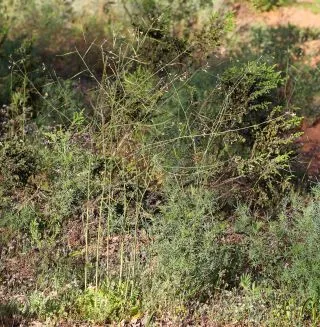
Description
Growing requirements
Sharp-beaked cabbage (Brassica oxyrrhina) belongs to the Brassicaceae family. This species is recognized for its distinctive botanical morphology and adaptation to specific regional climates.
Originating from the Mediterranean basin, this plant is well-adapted to rocky, calcareous soils. Its historical habitat suggests a high level of resilience to environmental stress and dry conditions.
The plant requires full sun exposure for optimal photosynthetic activity. Lack of light can lead to etiolation and a significant reduction in the expected yield of the crop.
Soil management should focus on creating a light, well-draining environment. Brassica oxyrrhina thrives in soil with a neutral to slightly alkaline pH, which reflects its natural growing conditions.
General cultivation practices involve proper spacing between plants to ensure adequate air circulation. This helps manage the microclimate within the canopy and supports healthy plant development.
Main diseases and pests
The most significant threat to this crop includes flea beetles, which target young foliage. Infestations during the seedling stage can lead to complete loss if not monitored correctly.
Cabbage moths and various aphid species are also common pests that require integrated pest management strategies to mitigate damage to leaves and stems.
Fungal pathogens such as Alternaria or Clubroot can thrive in poorly drained soils. Avoiding waterlogging is the primary defense mechanism against these soil-borne diseases.
Regular monitoring of the crop is essential during the early stages of growth. Detecting signs of disease or pest activity early allows for timely intervention using safe practices.
Sustainable agricultural practices, such as crop rotation, are highly recommended to prevent the buildup of soil pests and to maintain soil health over several seasons.