
Kale
Brassica oleracea L. var. gemmifera x Brassica oleracea convar. acephala var. sabellica
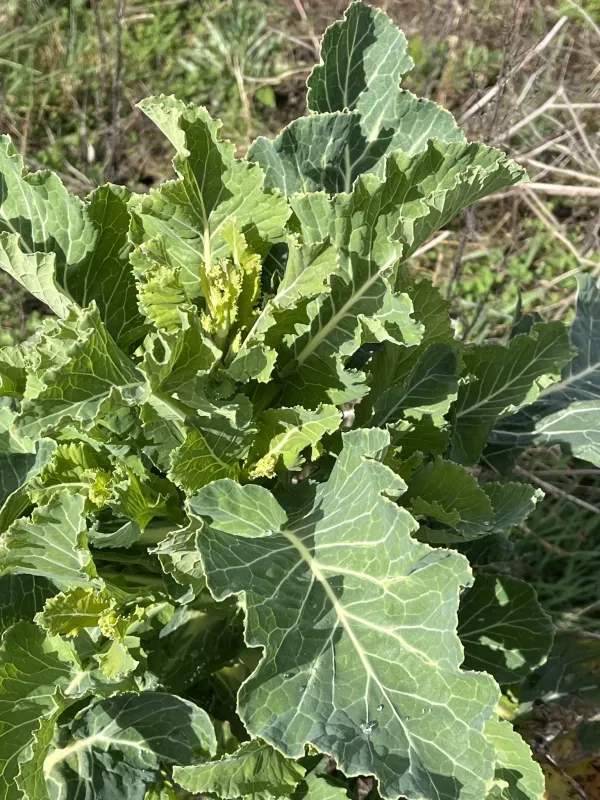
Description
Sowing dates
Kale is a cool-season crop, making it highly adaptable to varying climates. For a spring harvest, start seeds indoors 4–6 weeks before the last expected frost, or direct sow them as soon as the soil can be worked in early spring.
For an autumn or winter harvest, direct sowing should take place in mid-to-late summer. This allows the plants to establish themselves during the peak heat and reach maturity just as the temperatures begin to drop.
The optimal spacing for kale is 40–50 cm between plants, with rows set 60 cm apart. This distance allows for adequate air circulation, which is essential for reducing humidity-related fungal diseases.
Sow seeds at a depth of 1–1.5 cm. Germination typically occurs within 5–7 days under favorable moisture and temperature conditions, usually between 15–20 degrees Celsius.
Crop rotation is vital for kale, as it belongs to the Brassicaceae family. Avoid planting kale in beds that have hosted radishes, turnips, or other cabbage varieties within the last three years to prevent soil-borne pathogens.
Growing requirements
Kale thrives in fertile, well-draining soil rich in organic matter. A slightly acidic to neutral pH level, ranging from 6.0 to 7.0, is ideal for promoting optimal nutrient uptake from the soil.
This crop is famously cold-hardy, with many varieties capable of withstanding temperatures as low as -15 degrees Celsius. In fact, light frosts are often welcomed as they trigger the plant to convert starches into sugars, enhancing the flavor.
Consistent moisture is required for high-quality production. While kale is relatively resilient, regular watering helps prevent the leaves from becoming tough and fibrous, ensuring a tender and palatable harvest.
Apply balanced fertilizers during the growth phase to ensure sufficient leaf development. Nitrogen is particularly important in the early stages, while moderate potassium levels support overall plant health.
Sunlight requirements are moderate to high; however, in regions with very hot summers, partial shade can help prevent the plant from bolting prematurely, which would end the harvest season abruptly.
Yield
Average yields for kale vary based on the cultivar and cultivation practices. Intensive gardening methods can yield between 2 to 4 kilograms of edible leaves per square meter throughout the entire growing season.
Maturity is typically reached in 55–85 days after sowing, though baby greens can be harvested as early as 30 days after germination. The ability to harvest leaves selectively allows for an extended production period.
The yield potential is significantly increased by continuous harvesting. Removing the lower, mature leaves allows the plant to focus its energy on producing new, tender leaves from the central growing point.
In commercial agriculture, yields can reach 25–35 tons per hectare with proper irrigation and fertilization. Modern hybrids are bred for uniformity and higher leaf-to-stem ratios to maximize efficiency.
Proper management of the growing season is the key factor. By providing adequate nutrition and protection against environmental stress, growers can ensure consistent production until the end of the frost season.
Main diseases and pests
Flea beetles are a primary pest, particularly in the spring. They leave small, characteristic holes in the leaves, which can stunt young plants; using floating row covers is an effective organic control method.
Cabbage root maggots can be devastating as they feed on the roots. Using protective collars around the base of the plant or applying entomopathogenic nematodes can help mitigate these infestations.
Clubroot is a serious fungal soil disease causing stunted growth and swollen roots. It is nearly impossible to treat once established, so prioritizing soil sanitation and strict crop rotation is essential.
Downy mildew and powdery mildew are common under humid conditions. Maintaining proper spacing and ensuring the foliage dries out quickly after dew or rain are the best preventative measures for any grower.
Caterpillars of the cabbage white butterfly can quickly defoliate a kale plant. Regular monitoring and hand-picking, or the use of Bacillus thuringiensis (Bt), provide excellent control for large patches.
Harvesting
Harvesting kale is a continuous, selective process. Start by plucking the lower, outer leaves once they have reached a usable size, keeping the central rosette intact for future growth.
Use clean, sharp shears to make precise cuts at the base of the leaf stalk. This minimizes tissue damage and helps prevent pathogens from entering the plant, ensuring it stays healthy for subsequent harvests.
Morning harvesting is recommended as the leaves are at their most turgid state due to cooler night temperatures. This maximizes the shelf life and overall quality of the harvested produce.
For late-season harvests, whole plants can be pulled when frost threatens. Many growers find that late-harvested kale has a superior, sweeter taste, making it highly desirable for winter markets.
Storage should be in a cold, humid environment, such as a refrigerator or cold room. Proper packaging or high-humidity containers will prevent wilting and keep the leaves fresh for up to two weeks.