
Kale
Brassica oleracea L. var. gemmifera DC. x Brassica oleracea L. convar. acephala (DC.) Alef.
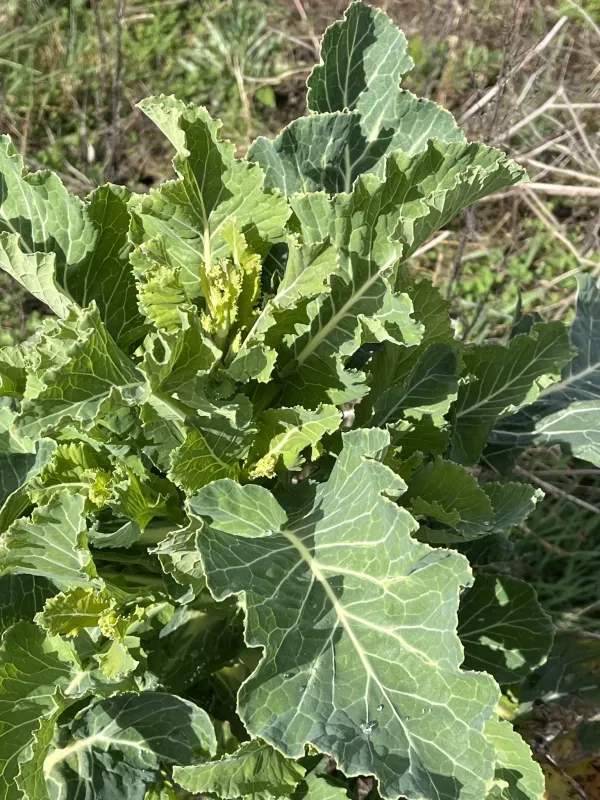
Description
Sowing dates
Kale is a cool-season crop that thrives in temperatures ranging from 15°C to 20°C, making it an ideal choice for spring and autumn planting in most temperate regions.
Seeds can be sown directly into the soil once the ground becomes workable, typically 3 to 4 weeks before the last expected frost in the spring.
For earlier harvests, start seeds indoors in seedling trays about 6 weeks before transplanting them into the garden to ensure strong, well-developed roots.
When planting, ensure adequate spacing between rows (about 50 cm) and individual plants (about 30-40 cm) to prevent overcrowding and improve airflow.
Succession planting every 2 to 3 weeks is recommended to maintain a continuous supply of fresh kale leaves throughout the entire growing season.
Growing requirements
Kale requires fertile, well-draining soil rich in organic matter, such as compost or well-rotted manure, to support vigorous growth and leaf production.
Maintaining a consistent soil moisture level is crucial; inconsistent watering can lead to bitter, tough leaves and may trigger early bolting in the plant.
The plant prefers full sun exposure, although it can tolerate partial shade in hotter climates where protection from the midday sun helps preserve leaf quality.
A soil pH between 6.0 and 7.5 is ideal for nutrient availability, and regular mulching helps suppress weeds while keeping the root zone cool and moist.
Nutrient management is key, with a preference for balanced fertilizers or high-nitrogen organic inputs during the vegetative stage to promote lush, dark green foliage.
Yield
Kale is known for its high productivity, as it allows for multiple harvests from a single plant throughout the growing season without needing to uproot the crop.
By harvesting only the lower, outer leaves, the central meristem continues to produce new foliage, providing a sustainable yield for several consecutive months.
Under optimal conditions with sufficient space and nutrients, a single plant can provide several kilograms of edible leaves over its lifespan.
Varieties with curly or ruffled leaves often produce higher volumes of harvestable material compared to flat-leaf or dinosaur (lacinato) kale types.
The total yield is significantly enhanced by diligent monitoring for pests and providing immediate care if the plant shows signs of nutrient deficiency or stress.
Main diseases and pests
The most common pests affecting kale include aphids, cabbage loopers, and imported cabbage worms, which can quickly defoliate plants if not controlled.
Diseases such as clubroot and black rot are major threats, particularly in soil where other cruciferous vegetables have been grown recently without proper rotation.
Flea beetles are notorious for creating tiny, characteristic holes in the leaves, which can severely reduce the aesthetic and commercial value of the crop.
Integrated pest management, including the use of floating row covers, is highly effective in preventing damage from flying insects during the early growth stages.
- Aphids
- Flea beetles
- Cabbage loopers
- Clubroot
- Black rot
Harvesting
Harvesting usually begins when the leaves reach a usable size, typically 50 to 70 days after planting, starting from the base of the plant moving upwards.
Always use sharp scissors or a knife to make clean cuts at the stem base, ensuring that the central terminal bud remains intact for continued leaf growth.
Kale leaves are at their best when harvested in the cool of the morning, which ensures they are crisp, hydrated, and retain their nutritional profile.
Post-harvest handling requires refrigeration at temperatures near 0°C to slow down transpiration and maintain the vibrant appearance and texture of the leaves.
In regions with frost, harvesting can continue well into late autumn, as cold temperatures convert starches into sugars, resulting in a milder and sweeter leaf flavor.