
Kale
Brassica oleracea L. var. capitata L. x Brassica oleracea L. var. sabellica L.
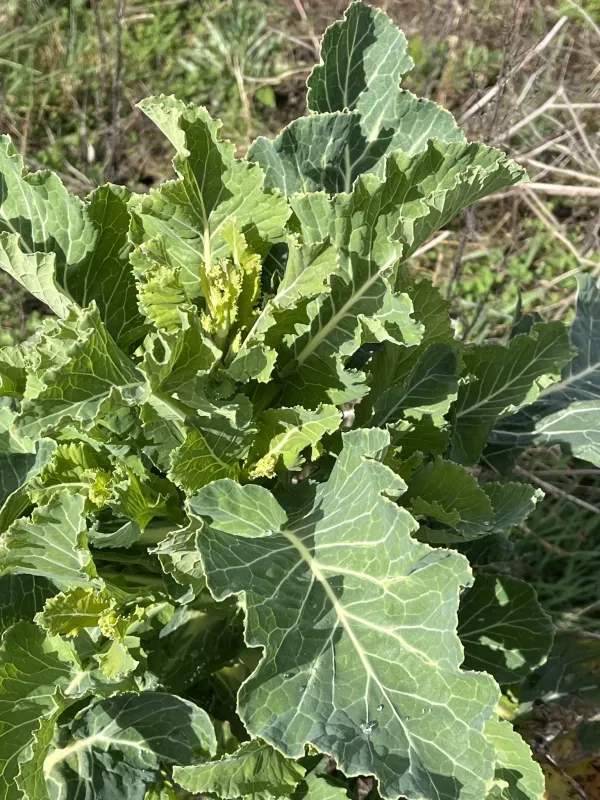
Description
Sowing dates
Kale, a member of the Brassicaceae family, is a highly resilient crop adaptable to various climates. Direct seeding into prepared soil is typically performed in early spring or late summer when temperatures range between 10 and 20 degrees Celsius.
For earlier production, starting seeds in seedling trays or greenhouses is highly recommended. This practice ensures better protection for young plants and allows for uniform spacing during transplanting into the field.
Optimal sowing depth is approximately 1 centimeter. Adequate seed-to-soil contact and consistent moisture are essential for successful germination, which usually occurs within 7 to 14 days under optimal conditions.
Spacing between plants should be maintained at 30 to 45 centimeters to allow for optimal air circulation and leaf development. This spacing minimizes the spread of diseases and promotes healthy foliage.
Kale can be grown as an annual or biennial, depending on the desired harvest period. Strategic planting schedules can ensure a continuous supply of fresh leaves throughout the growing season.
Growing requirements
Kale thrives in fertile, well-draining soils rich in organic matter. A soil pH level between 6.0 and 7.5 is ideal for maximizing nutrient uptake and supporting vigorous plant growth.
While the crop is moderately shade-tolerant, it requires at least 6 hours of sunlight daily for best results. Consistent soil moisture is critical; irregular watering can cause bitter flavors or tough texture in the leaves.
Temperature management is key to quality; while kale tolerates cold well, it prefers moderate temperatures. Excessive heat may cause bolting, which negatively affects the quality and quantity of the harvest.
Regular nitrogen-based fertilizing is beneficial during the vegetative stage. Utilizing compost or well-rotted manure helps maintain soil structure and provides a steady release of essential micronutrients.
Good soil management, including mulching, can help retain soil moisture and suppress weed competition, creating a favorable environment for the root system to expand effectively.
Yield
Kale is recognized for its high production potential. Depending on the variety and management practices, farmers can expect a yield ranging from 2 to 5 kilograms per square meter over a growing season.
The "cut-and-come-again" harvesting method is the most efficient way to maximize yield. By harvesting only the outer leaves, the central growth point remains active, allowing for continued leaf production.
Drip irrigation and timely fertilization are essential for sustaining high production levels throughout the season. Proper spacing ensures each plant achieves its full biological potential.
Yield stability is heavily influenced by the prevention of pest pressure and disease outbreaks. Monitoring and early intervention are necessary to ensure the continuous output of high-quality produce.
Commercial yields are often optimized by utilizing intensive cultivation systems, ensuring that nutrient availability and irrigation are calibrated to the specific needs of the kale variety.
Main diseases and pests
Common pests include cabbage worms, aphids, and flea beetles, which can cause significant damage to the leaf structure. Integrated pest management (IPM) is crucial for controlling these populations.
Diseases such as black rot, clubroot, and downy mildew can be destructive if left unmanaged. Maintaining proper crop rotation, ideally every three years, significantly reduces the risk of soil-borne pathogens.
Weed control is essential during the early stages of plant growth. Weeds compete for nutrients and water, and can also serve as alternative hosts for pests and viral diseases.
- Use physical barriers like row covers to prevent insect access.
- Apply neem oil or biological controls for minor pest infestations.
- Remove infected plants immediately to prevent the spread of fungal diseases.
Maintaining a balanced ecosystem on the farm encourages beneficial insects, which provide natural biological control against many common kale pests.
Harvesting
Harvesting usually begins 60 to 80 days after sowing. Leaves are ready for harvest when they reach the desired size, typically about the size of an adult hand, while still being tender and dark green.
Using a sharp blade, leaves should be harvested individually from the bottom up. This selective harvesting method prevents damage to the crown and encourages the plant to produce new growth.
Immediately after harvest, kale should be stored in a cool environment to maintain freshness. Its high respiration rate means that temperature control is vital to prevent wilting and degradation.
For market preparation, leaves should be washed, dried gently, and bunched. Proper packaging ensures that the produce remains attractive and free from mechanical damage during distribution.
Kale flavor is known to improve after exposure to light frosts, which naturally increases the sugar content in the leaves, making late-season harvests particularly prized by consumers.