
Brachystegia longifolia
Brachystegia longifolia
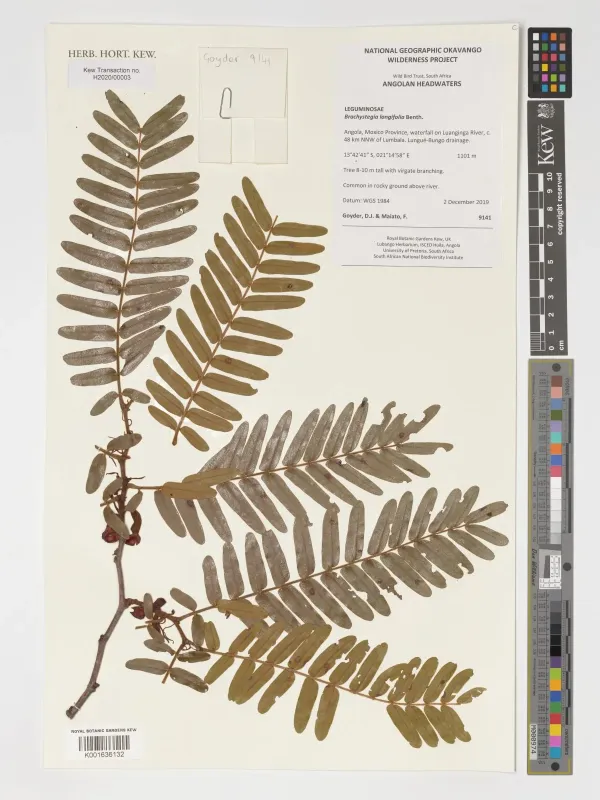
Description
Growing requirements
Brachystegia longifolia is a deciduous tree belonging to the Fabaceae family, commonly associated with the vast miombo woodlands of sub-Saharan Africa. This species is essential for maintaining the ecological balance in its native tropical environment.
The tree thrives in well-drained soils, including lateritic and sandy types that are common across the African plateau. Its physiological traits allow it to withstand severe water stress during the distinct dry seasons of the region.
Botanically, it is characterized by its long, pinnate leaves and a canopy that provides essential shade for various undergrowth species. The growth rate is relatively slow, but the tree can reach significant heights in mature stands.
Requirements for optimal growth include high light intensity, as the species is intolerant of shade. It prefers temperatures between 20°C and 30°C and is adapted to a rainfall pattern with clear wet and dry phases.
Economically, Brachystegia longifolia is valued for its dense, durable wood used in construction and craft making. It also serves as a crucial habitat for various pollinators and honeybees, supporting local livelihoods through sustainable beekeeping.
Main diseases and pests
The primary threat to Brachystegia stands is wildfire, which can be devastating during the late dry season. While the tree has some fire tolerance, repeated burning restricts the recruitment of new seedlings into the canopy.
Insect pests, such as wood-boring beetles, can cause localized damage, especially in trees already stressed by poor site conditions. These pests can compromise the structural integrity of the timber, rendering it unsuitable for industrial use.
Fungal pathogens can affect the health of the tree, particularly in zones where seasonal flooding causes temporary waterlogging. This can lead to root rot and eventual decline of the plant's physiological vigor.
Anthropogenic pressure, specifically deforestation for charcoal production and subsistence agriculture, continues to fragment natural populations. Sustainable harvesting practices are essential to prevent the loss of genetic diversity.
Effective management strategies should focus on fire prevention and controlled grazing practices. Implementing silvicultural interventions can help promote healthy growth and reduce the vulnerability of young trees to biotic stressors.