
Brachystegia eurycoma
Brachystegia eurycoma
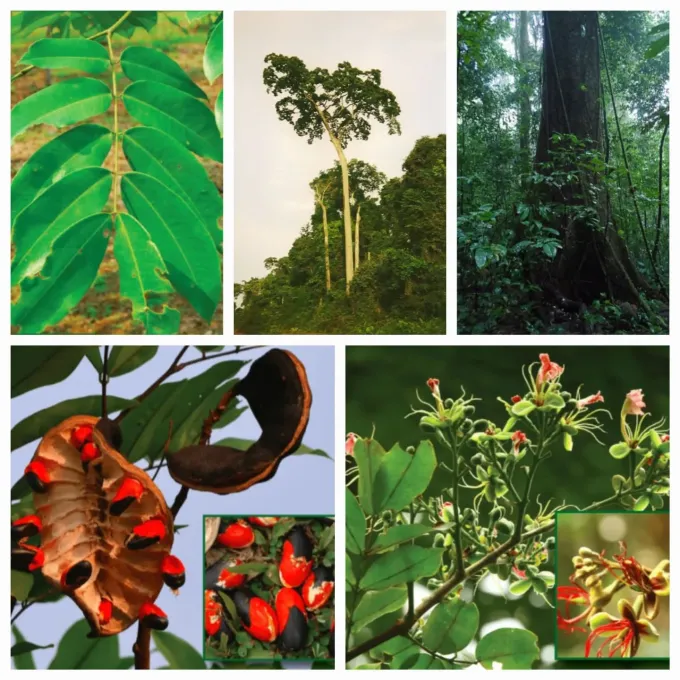
Description
Growing requirements
Brachystegia eurycoma is a large tropical deciduous tree belonging to the Fabaceae family. It is native to the rainforest regions of West and Central Africa, where it thrives in humid environments with high precipitation levels.
The species prefers deep, fertile, and well-drained soils, typically avoiding waterlogged areas. It is a key component in agroforestry systems where it provides shade to smaller crops while contributing to soil nitrogen levels due to its leguminous nature.
Botanically, it features pinnately compound leaves and hard-shelled pods containing oil-rich, protein-dense seeds. The trees can grow up to 30 meters tall, forming a dense canopy that helps mitigate soil erosion in hilly terrains.
Agronomic management focuses on successful nursery propagation followed by careful transplanting. Seedlings require adequate spacing to ensure proper crown development and access to sunlight, which is crucial for rapid vegetative growth during the juvenile stage.
The tree is primarily utilized for its durable timber, which is highly sought after in the furniture industry, and for its seeds, known locally as "Achi," which serve as a vital thickening agent in traditional West African culinary dishes.
Main diseases and pests
The species faces pressure from various wood-boring insects, including beetles that target the heartwood, which can significantly lower the quality of timber production.
Fungal infections, particularly root rot and leaf spot pathogens, frequently impact the plant during periods of excessive rainfall, necessitating good site management practices.
Parasitic plants and climbers often infest mature trees in wild populations, competition that must be managed in plantation settings to ensure healthy tree development.
Sustainable harvesting of both bark and seeds is essential, as over-extraction can lead to tree stress and increase susceptibility to secondary environmental threats.
Climate change and habitat fragmentation represent long-term risks to the species, emphasizing the importance of active conservation and controlled cultivation efforts.