
Brachystegia boehmii
Brachystegia boehmii
Description
Growing requirements
Brachystegia boehmii is a prominent species within the Fabaceae family, native to the miombo woodlands of Southern and Central Africa. It is a deciduous tree that thrives in environments characterized by distinct dry and wet seasonal cycles.
The species is highly adaptable to various soil types, ranging from sandy loams to rocky outcrops where nutrients are limited. Its ecological success is largely due to its efficient nitrogen-fixing capacity, which enriches the surrounding soil environment.
Regarding climatic requirements, the tree prefers high solar radiation and well-drained conditions. It is physiologically drought-tolerant, making it an essential component of the savanna biome's resilience against seasonal water scarcity.
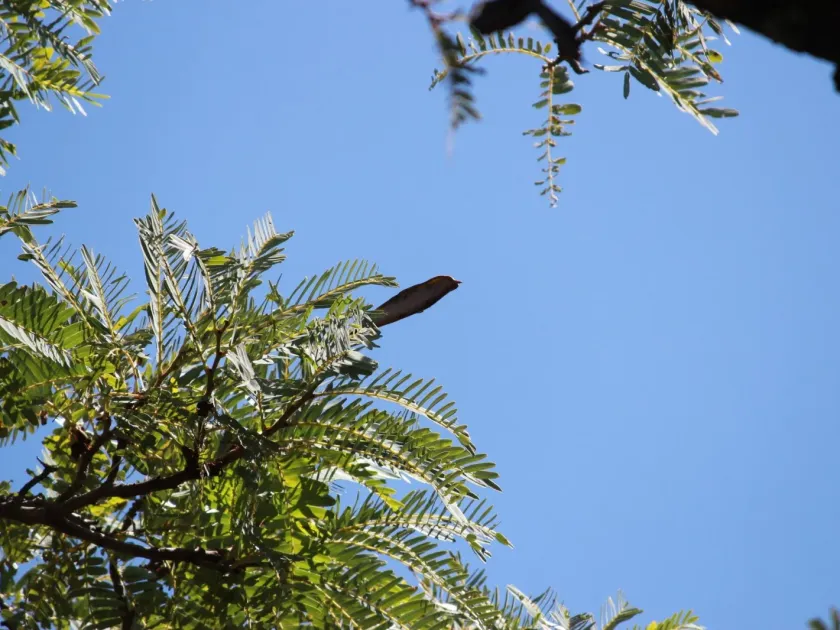
Botanically, it is identified by its pinnate leaves and tough, woody pods that dehisce explosively upon maturity. The tree typically reaches a moderate height of 6 to 15 meters and provides significant shade and ecosystem stability.
In terms of economic value, it serves as a source of construction-grade timber and is a major contributor to local honey production. The wood is also widely processed into charcoal, serving as a primary energy source for many rural communities.
Main diseases and pests
The primary threats to Brachystegia boehmii include large-scale land conversion for agriculture and unsustainable charcoal production. Over-exploitation of forests leads to habitat fragmentation, affecting both the tree population and local biodiversity.
Pest pressures primarily include wood-boring insects that attack the trunk and branches, especially in stressed or damaged individuals. Protecting the species involves promoting sustainable harvesting techniques and reforestation efforts within its natural range.