
Brachyglottis rotundifolia
Brachyglottis rotundifolia J. R. Forst. & G. Forst.
Description
Growing requirements
Brachyglottis rotundifolia is a hardy evergreen shrub belonging to the Asteraceae family. Native to the coastal regions of New Zealand, this plant is well-adapted to maritime climates and thrives in environments where frost is relatively infrequent.
The plant demands well-drained soil to prevent root rot, which is a common issue in heavier soil types. It is best suited for sandy or loamy soils enriched with organic matter, ensuring a pH range that remains slightly acidic to neutral for optimal nutrient uptake.
Exposure to full sun is ideal for maintaining the plant's dense foliage and vibrant health. However, in regions with intense summer heat, light afternoon shade can protect the leaves from scorching and excessive transpiration.
Maintenance involves routine pruning to maintain the shrub's architectural shape. Removing dead or straggly branches in late spring encourages denser growth, as the plant responds well to controlled pruning cycles throughout the growing season.
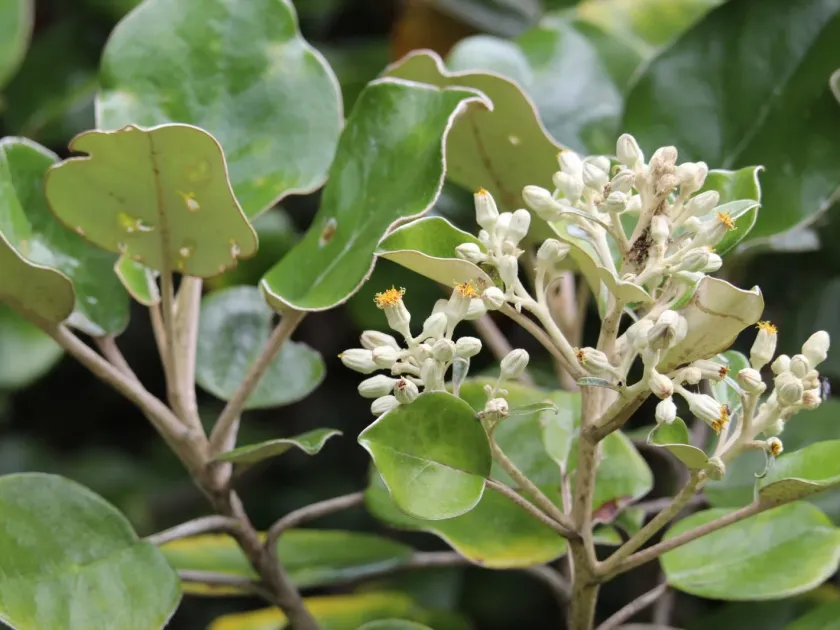
Biologically, the plant is renowned for its large, leathery leaves with a distinctive white, felt-like tomentum on the underside. This unique feature not only adds aesthetic value but also serves as a protective mechanism against moisture loss and salt spray.
Main diseases and pests
Fungal pathogens, particularly Phytophthora, pose a significant threat when soil drainage is inadequate. Waterlogging the root zone significantly increases the plant's susceptibility to root and crown rots, leading to foliage yellowing and wilting.
Insects like aphids and mealybugs are occasional pests that target young, succulent shoots. Regular inspection of the undersides of leaves and using horticultural soap or mild insecticides can effectively control these infestations without harming the plant.
Powdery mildew may occur during periods of high humidity and poor airflow. Enhancing ventilation between plants and minimizing overhead watering are key strategies to mitigate the development of this fungal condition.
Snails and slugs are notorious for damaging tender young foliage, especially during damp spring weather. Implementing mechanical barriers or using safe bait traps is often necessary to protect developing growth from such gastropod damage.
Effective management requires a balance of proper site selection and attentive care. By ensuring consistent drainage, regular monitoring, and timely intervention for pest control, gardeners can maintain the health and vigor of this striking ornamental plant.