
Brachyglottis buchananii
Brachyglottis buchananii (J. B. Armstr.) B. Nord.
Description
Growing requirements
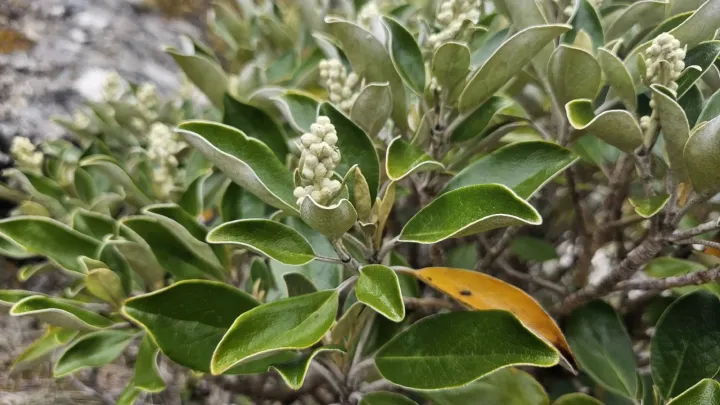
Brachyglottis buchananii is an evergreen shrub belonging to the Asteraceae family. Native to New Zealand, it naturally grows in rocky terrains and mountain slopes, showcasing its resilience to harsh environmental conditions.
Botanically, the plant is distinguished by its dense, silver-grey foliage, which provides a unique aesthetic appeal. It typically forms a compact, rounded habit, making it an ideal choice for decorative landscaping and garden borders.
The plant requires well-drained, porous soil to thrive, as it is highly susceptible to root decay if kept in waterlogged conditions. A neutral to slightly acidic pH is preferred, reflecting its natural habitat preferences.
Exposure to full sunlight is essential to maintain the vibrant silver coloration of its leaves and to encourage healthy growth. While it exhibits moderate drought tolerance, protection from extreme frost is necessary for its long-term survival.
In terms of usage, it is primarily cultivated as an ornamental plant for rock gardens and modern xeriscaping designs. Commercial nurseries focus on producing high-quality specimens for the professional landscape sector.
Main diseases and pests
Root rot remains the most significant threat to this species, usually caused by poor drainage or excessive irrigation. Ensuring an airy substrate and preventing water accumulation around the stem is critical for plant health.
Pests such as aphids and spider mites can occasionally affect the plant, particularly in sheltered or poorly ventilated growing environments. These pests can weaken the shrub, leading to stunted growth if left unmanaged.
Disease management involves strict adherence to irrigation schedules and ensuring optimal spacing between plants. Good air circulation is the best preventative measure against mildew and other common fungal outbreaks.
When chemical treatments are necessary, it is important to apply selective insecticides that minimize damage to the environment. Integrated pest management practices are recommended to maintain the plant's health effectively.
Regular maintenance pruning is recommended to remove dead wood and encourage fresh growth. This practice significantly improves the plant's structural integrity and reduces the risk of harboring pests and pathogens within the canopy.