
Brachyglottis monroi
Brachyglottis monroi (Hook. f.) B. Nord.
Description
Growing requirements
Brachyglottis monroi is an evergreen shrub belonging to the Asteraceae family. It is native to the alpine and subalpine regions of New Zealand, which defines its preference for rocky, well-drained habitats and cool to temperate climates.
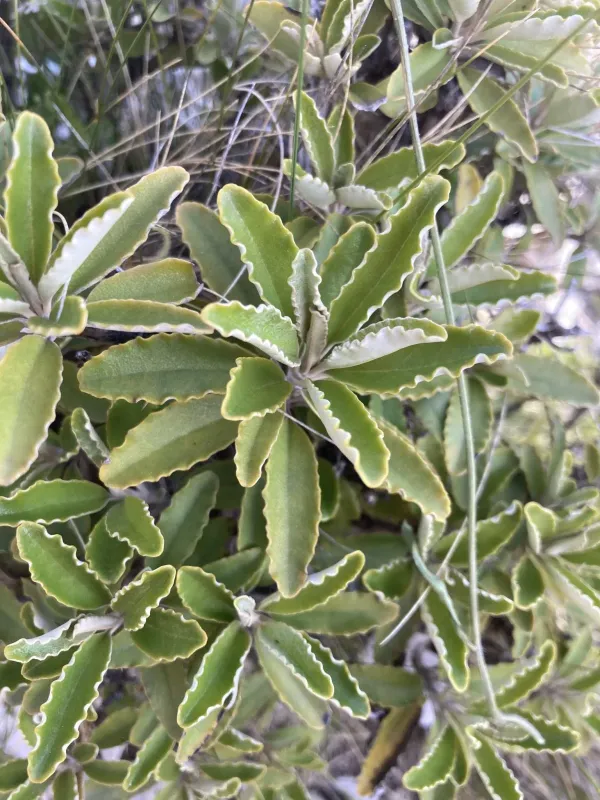
The plant is highly valued for its striking, wavy-edged foliage covered in a silvery, felt-like tomentum. During the flowering season, it produces bright yellow, daisy-like flower heads that create a beautiful contrast with its metallic-toned leaves.
Successful cultivation requires a location with full sun exposure to maintain the density of the foliage. The soil must have excellent drainage properties; heavy, waterlogged clay soils are generally unsuitable and will cause root decay.
Climatic requirements are specific: while it handles cool temperatures well, it is not fully hardy in harsh frosts. In colder climates, it is best treated as a container plant that can be moved indoors or protected during severe winter months.
Maintenance involves pruning back the shoots after flowering to keep the shrub compact and prevent it from becoming woody or leggy. This encourages fresh growth and ensures a healthier, denser silhouette for the next season.
Main diseases and pests
The primary threat to Brachyglottis monroi is root rot caused by poor soil drainage and waterlogging. Ensuring the plant is not left in standing water is the most critical step in preventing common fungal pathogens.
Pests such as aphids and spider mites can occasionally affect the shrub, especially when the plant is stressed by insufficient airflow or improper moisture levels. These pests can cause leaf yellowing and reduced vigor.
Preventative measures include maintaining proper spacing between plants to ensure good air circulation, which significantly reduces the risk of powdery mildew and other fungal outbreaks during humid periods.
If an infestation occurs, application of horticultural oil or systemic insecticides is recommended. Always check the undersides of the leaves, as that is where pests frequently cluster before spreading throughout the plant.
Keeping the area around the base of the shrub free of rotting organic debris also helps prevent the accumulation of moisture and the spread of opportunistic fungal diseases.