
Bourreria succulenta
Bourreria succulenta
Description
Growing requirements
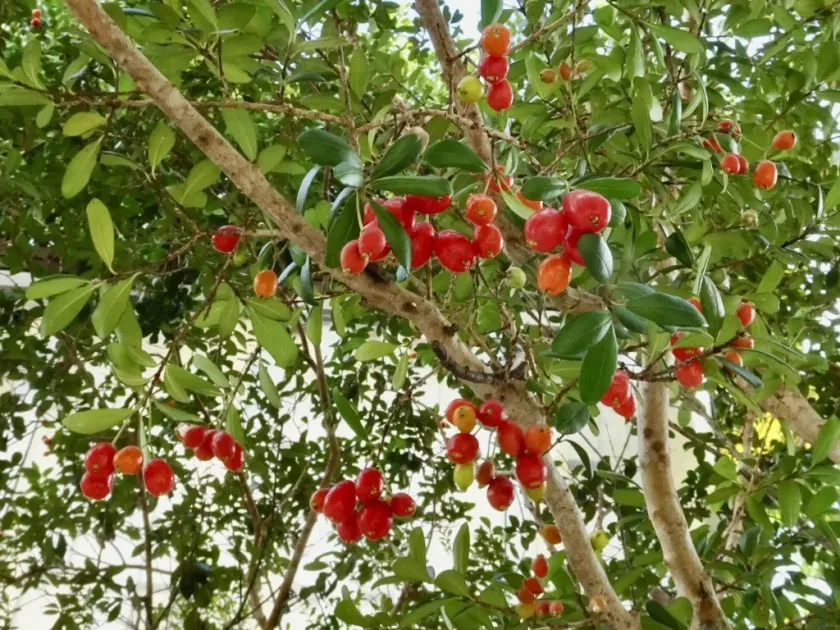
Bourreria succulenta, commonly known as strongbark, is a member of the Boraginaceae family. It is a hardy, evergreen shrub or small tree native to the Caribbean, Florida, and parts of South America. It is highly valued for its dense foliage and fragrant white flowers, which bloom throughout the year in favorable conditions.
The plant thrives in tropical and subtropical climates, preferring regions with warm temperatures and minimal risk of frost. It is naturally adapted to limestone soils and coastal environments, demonstrating remarkable tolerance to salt spray and alkaline conditions, which often inhibit the growth of other species.
Sunlight is a critical requirement for this species. To achieve optimal growth and prolific flowering, it must be planted in full sun exposure. While it can survive in partial shade, such conditions often result in lanky growth and a reduction in the number of blossoms produced annually.
Agricultural management of Bourreria succulenta is relatively low-maintenance once the tree is established. Deep, infrequent watering is recommended to promote a deep root system, although adult specimens are notably drought-tolerant and can survive periods of water scarcity common in their native habitats.
Economically, the plant is primarily used for ornamental landscaping and ecological restoration in coastal areas. Historically, its extremely dense and durable wood was harvested by local populations for the creation of tool handles, walking sticks, and other small, utility-focused wooden crafts.
Main diseases and pests
Pest management for Bourreria succulenta primarily focuses on controlling scale insects and mealybugs. These sap-sucking pests can weaken the plant and lead to the development of sooty mold on the foliage. Routine monitoring is essential to detect early infestations before they spread across the crown.
Fungal pathogens such as leaf spot can occur, especially in areas with poor airflow and high humidity. Maintaining proper spacing between trees and performing regular thinning cuts can help improve air circulation, thereby significantly reducing the likelihood of foliar fungal infections.
Root rot remains a significant threat, primarily caused by improper soil drainage. Because the species prefers well-aerated, rocky soils, planting in heavy clay that retains excess moisture can be fatal. Ensuring a high-quality, free-draining substrate is the most effective preventative measure.
Environmental stress from extreme weather, such as hurricanes, can cause mechanical damage to the branches. Although the wood is tough, structural pruning is recommended to remove dead or weak wood, which might otherwise become a site for opportunistic decay-causing organisms to enter the tree.
Nutritional deficiencies are occasionally observed in urban plantings where soil fertility is low. Applying a balanced fertilizer during the early stages of the growing season can correct common chlorosis issues and boost the tree's natural resistance to environmental and biological stressors.