
Bourreria radula
Bourreria radula
Description
Growing requirements
Bourreria radula is a distinctive shrub species belonging to the Boraginaceae family. Native to the Caribbean, particularly Cuba, this plant is well-adapted to tropical conditions and rocky limestone terrains. It thrives in environments where seasonal drought is common, demonstrating significant resilience and hardiness in poor, well-drained soils.
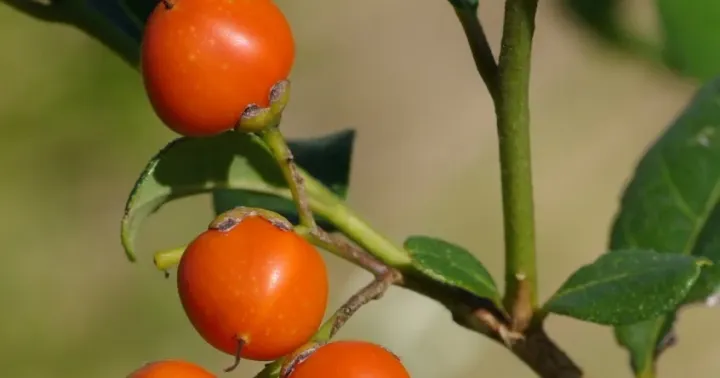
The botanical structure of the plant is defined by its scabrous, rough-textured leaves, from which the specific epithet 'radula' is derived. These leaves are typically thick, helping the plant conserve water in arid conditions. The plant produces terminal clusters of white flowers that stand out against the deep green, textured foliage, making it visually striking.
Regarding cultivation requirements, Bourreria radula demands excellent drainage. In a controlled agricultural or nursery setting, the soil profile should be light and alkaline, mimicking the natural karst topography of its native habitat. Any waterlogging must be avoided, as the root system is highly susceptible to decay when saturated for extended periods.
Climatic requirements are strict: this species is strictly tropical and cannot tolerate freezing temperatures. It requires a high level of solar irradiance to maintain its health and bloom cycle. Ideal temperature ranges for optimal growth are between 22 and 30 degrees Celsius. Consistent warmth is necessary for the development of new shoots and maintaining the vibrancy of the foliage.
In terms of economic and practical use, the plant is primarily utilized in ornamental horticulture. It is an excellent candidate for xeriscaping—landscaping that requires little to no irrigation—in frost-free climates. Furthermore, its flowers make it a beneficial species for supporting local biodiversity, as they provide an essential nectar source for various native insect populations.
Main diseases and pests
Common threats to the health of Bourreria radula include fungal diseases related to poor airflow and high soil humidity. Specifically, root rot is a major risk factor. In terms of pests, growers should monitor for spider mites and scale insects, which frequently infest the dense, rough leaves, often hidden on the undersides or in the crevices of the branch nodes.