
Bourreria ovata
Bourreria ovata
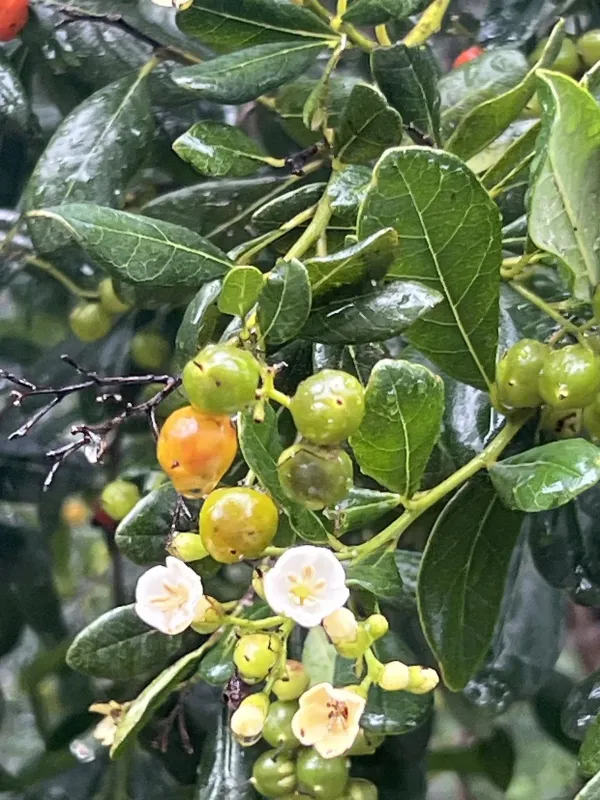
Description
Growing requirements
Bourreria ovata, commonly known as strongbark, is an evergreen shrub or small tree belonging to the Boraginaceae family. It is native to the tropical regions of the Caribbean, including the Bahamas and parts of Florida, where it thrives in coastal environments.
This species is well-adapted to well-drained limestone-based or sandy soils. Its inherent salt tolerance makes it a superior choice for landscaping in seaside areas where other woody plants often fail to thrive due to salinity and winds.
As a sun-loving plant, Bourreria ovata requires full sun exposure to maintain its dense, lush foliage and to produce its characteristic fragrant white flowers. Excessive shade leads to sparse branching and diminished blooming performance.
The plant is highly frost-sensitive and cannot survive temperatures below freezing. Consequently, its cultivation is restricted to tropical and subtropical hardiness zones, with greenhouse protection required in colder regions for container-grown specimens.
Agricultural care consists of providing consistent moisture during the early growth stages, though the plant is drought-tolerant once established. Pruning should be performed to shape the canopy and remove dead wood to maintain aesthetic appeal.
Main diseases and pests
Common pests affecting Bourreria ovata include scale insects and mealybugs, which often cluster on the undersides of leaves or along stems. These pests extract plant sap and can lead to secondary sooty mold growth.
Root rot, often caused by overwatering or poor drainage, represents the most significant threat to the plant's survival. Ensuring the potting medium or soil remains aerobic is vital for long-term health.
Nutrient deficiencies may manifest as leaf chlorosis, especially in soils with high pH levels. Supplemental application of chelated micronutrients can help correct these imbalances when detected early.
Fungal leaf spot diseases can occur during periods of prolonged high humidity and low airflow. Regular thinning of the crown can help improve air circulation and mitigate these risks.
Effective pest management involves integrated practices, such as using horticultural oils for insect control and maintaining proper sanitation around the base of the plant to prevent the spread of soil-borne pathogens.
Harvesting
The primary use of Bourreria ovata is ornamental landscaping, where it is favored for its year-round evergreen foliage and beautiful, aromatic blooms. It serves as an excellent hedge or specimen plant in private gardens.
Its fruits, which are small, colorful berries, play an essential role in local ecology by providing a food source for native birds. While not grown as a commercial crop, its ecological value in supporting urban wildlife is significant.
The timber of Bourreria ovata is extremely dense and durable, historically earning it the name strongbark. While not commercially harvested today, it has been used for small-scale woodcraft due to its strength.
Propagation is typically achieved through seeds harvested from ripe berries or through semi-hardwood cuttings. The use of rooting hormones significantly improves the success rate of propagation via cuttings.
Careful seed management is required to ensure viability, as the seeds lose their germinating potential if stored incorrectly. Sowing in a warm, humid environment is essential for successful germination.