
Marguerite daisy
Argyranthemum frutescens (L.) Sch. Bip.
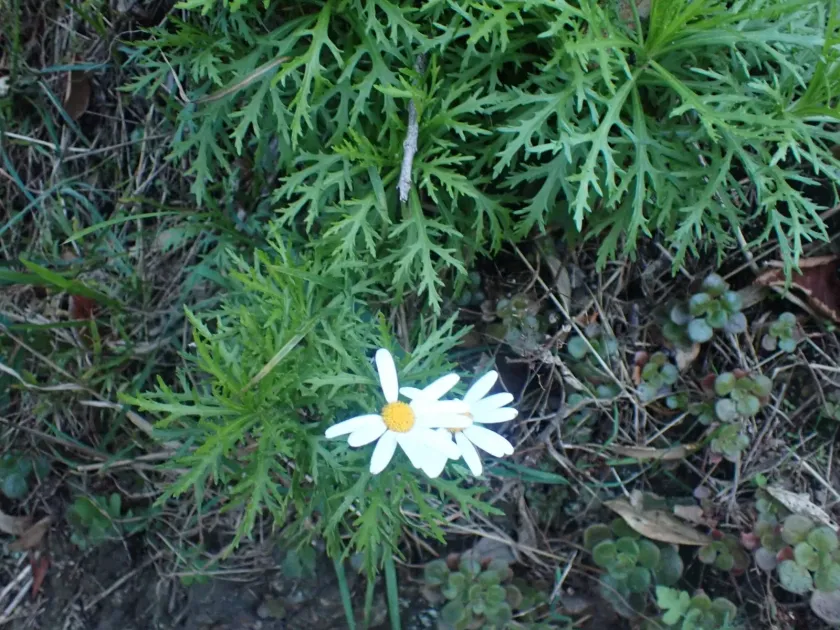
Description
Sowing dates
Argyranthemum frutescens, commonly known as the Marguerite daisy, is a popular ornamental perennial belonging to the Asteraceae family. It is widely cultivated for its long flowering season and aesthetic appeal in gardens and containers.
Propagation is primarily achieved through seeds or stem cuttings. Seed sowing is usually performed in late winter or early spring under controlled indoor conditions to ensure a steady germination rate.
Cuttings are preferred for commercial production, as they ensure genetic uniformity and faster maturity. These cuttings are taken from healthy, non-flowering shoots and rooted in a sterile, well-draining medium.
Young plants are pricked out into individual pots once they develop true leaves, allowing for strong root development. This stage is crucial for establishing the foundation of a healthy, vigorous ornamental plant.
Transplanting to the final location, whether outdoors or in large planters, should only occur after the risk of frost has passed. Hardening off the plants prior to transplantation ensures a higher success rate.
Growing requirements
The Marguerite daisy requires full sun exposure to maintain its compact form and achieve maximum bloom. Plants grown in shaded areas tend to become leggy and produce significantly fewer flowers.
Soil requirements include excellent drainage and moderate fertility. A neutral to slightly acidic pH is ideal for nutrient uptake, and the soil should be rich in organic matter to support rapid growth.
Watering should be consistent; the soil needs to stay moist but never waterlogged. Containers must have adequate drainage holes to prevent root rot, which is a common issue in poorly managed pots.
Regular fertilization is necessary throughout the flowering period to maintain plant vigor. A balanced, water-soluble fertilizer applied every two weeks helps keep the plant blooming profusely until the frost.
Maintenance tasks such as deadheading spent flowers and pruning are essential. Pruning helps to maintain the desired shape and encourages the development of new, flower-bearing shoots throughout the season.
Main diseases and pests
Aphids are the most common pests that infest the Marguerite daisy, targeting tender shoots and buds. Systemic insecticides are recommended for effective control when populations begin to increase.
Whiteflies and thrips can cause significant cosmetic damage and weaken the plant. Integrated pest management, including the use of yellow sticky traps and horticultural oils, helps keep populations in check.
Powdery mildew may occur when humidity levels are high and air circulation is poor. Ensuring adequate spacing between plants and maintaining good ventilation reduces the risk of this fungal infection.
Root rot caused by pathogens like Pythium is a significant threat during periods of overwatering or when using heavy, compacted soil. Proper irrigation management is the primary defense against this issue.
Viral infections can lead to foliage distortion and stunted growth. Since there is no cure for these viruses, infected plants should be removed and destroyed immediately to prevent spread to other crops.