
Marguerite Daisy
Argyranthemum frutescens (L.) Sch. Bip. x Argyranthemum tenerifae Humphries
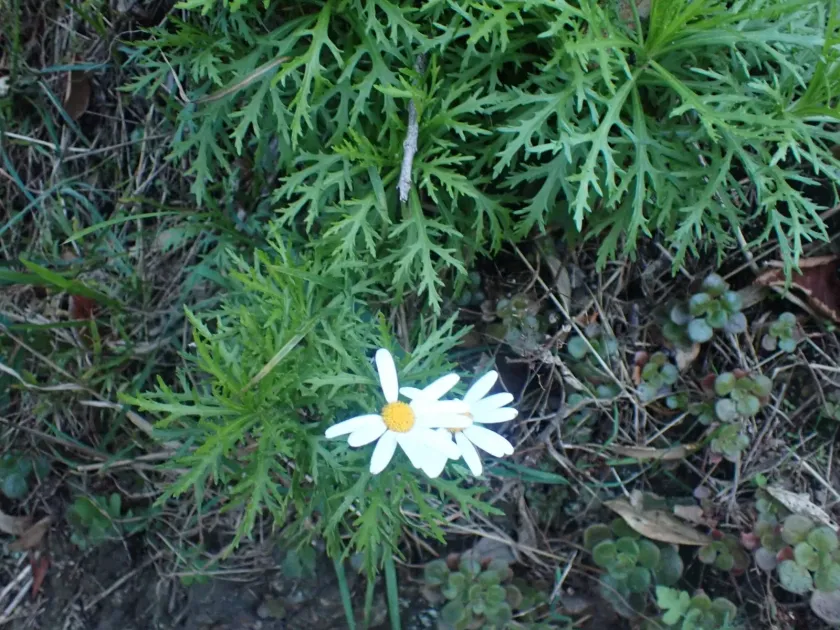
Description
Sowing dates
Argyranthemum frutescens, commonly known as Marguerite Daisy, is a popular herbaceous perennial or subshrub belonging to the Asteraceae family. It is widely cultivated for its daisy-like flowers that bring aesthetic value to various landscapes.
The propagation of this crop is typically achieved through seeds or stem cuttings. Seed sowing is usually performed in late winter in indoor trays to ensure a long flowering season, with temperatures maintained around 18–20 degrees Celsius.
Vegetative propagation via terminal cuttings is preferred in commercial production to ensure genetic uniformity. Cuttings are placed in a porous, sterile medium where they root within a few weeks under controlled humidity.
Seedlings or rooted cuttings should be transplanted to their final location once all danger of frost has passed. They require a hardening-off period to acclimate to outdoor environmental conditions.
Proper spacing is crucial for the health of the plants, typically allowing for 30–40 cm between individuals. This ensures adequate airflow, which is vital for preventing moisture-related pathologies in the foliage.
Growing requirements
Native to the Canary Islands, the Marguerite Daisy is a sun-loving plant that thrives in full exposure to sunlight. Insufficient light results in etiolated growth and a significant reduction in the quantity of flower buds.
The ideal soil for this crop is fertile, well-draining, and slightly acidic to neutral. Heavy clay soils that retain excess moisture should be amended with organic matter or gravel to improve drainage and prevent root rot.
Consistent watering is required, particularly during the peak growing season. While the soil should remain moist, it is critical to avoid waterlogging, which the plant cannot tolerate.
Regular fertilization with a balanced, water-soluble fertilizer is beneficial during the active growth phase. A nutrient regime focusing on potassium and phosphorus will support continuous blooming.
Argyranthemum is not frost-tolerant and is often treated as an annual in cooler climates. In frost-prone regions, plants can be kept in pots and moved to cool, bright greenhouses for overwintering.
Yield
The Marguerite Daisy is a major player in the horticultural market, primarily used as a decorative potted plant or for flower bed displays. Its commercial value lies in its extended blooming period.
High yields of blooms are achieved through strategic pinching of the growing tips early in the season. This practice encourages branching, resulting in a fuller, more compact, and more floriferous plant.
Flowers are produced from late spring through to the first frost. This prolonged display period makes the crop highly attractive for commercial nurseries focused on seasonal ornamental sales.
In greenhouse settings, uniform pot sizing and precise environmental control are essential for high-quality production. Proper management allows for efficient scaling and standardization of the final product.
Deadheading is a vital agricultural practice that improves the plant's overall productivity. Removing spent blossoms prevents seed production and directs energy into the formation of new floral buds.
Main diseases and pests
Root rot is the most serious disease affecting this crop, usually triggered by poor drainage or excessive watering. Once the root system is compromised, the plant is difficult to recover.
Powdery mildew often appears on the foliage when humidity is high and air circulation is restricted. Preventive measures include proper plant spacing and applying appropriate fungicides if symptoms appear.
Aphids are a common pest that targets young shoots and flower buds, sucking sap and causing distortion. Integrated pest management using insecticidal soaps or systemic treatments is effective.
Whiteflies and spider mites may also infest the crop during hot, dry weather. Regular inspection is necessary to detect these pests early and apply control measures before they cause widespread damage.
Hygiene is fundamental in preventing disease. Sterilizing tools between plants and removing infected plant matter immediately helps maintain the health of the entire crop population.
Harvesting
Harvesting for floral arrangements is done as the flowers reach the desired stage of development. For the longest vase life, stems should be cut early in the morning when the plant's water content is at its peak.
Seed harvesting should occur when the flower heads turn brown and dry. It is important to harvest before the seeds naturally disperse to ensure maximum yield per plant.
For container-grown plants destined for winter storage, a post-season pruning is required. Reducing the foliage by one-third helps the plant adapt to lower light and cooler winter conditions.
Overwintered plants should be stored in bright, cool locations with minimal watering. Maintaining their health during dormancy is essential for a vigorous start in the following spring season.
Spring preparation involves re-potting with fresh substrate and gradually increasing irrigation to stimulate new growth and prepare the plants for the upcoming blooming cycle.