
Bonatea speciosa
Bonatea speciosa
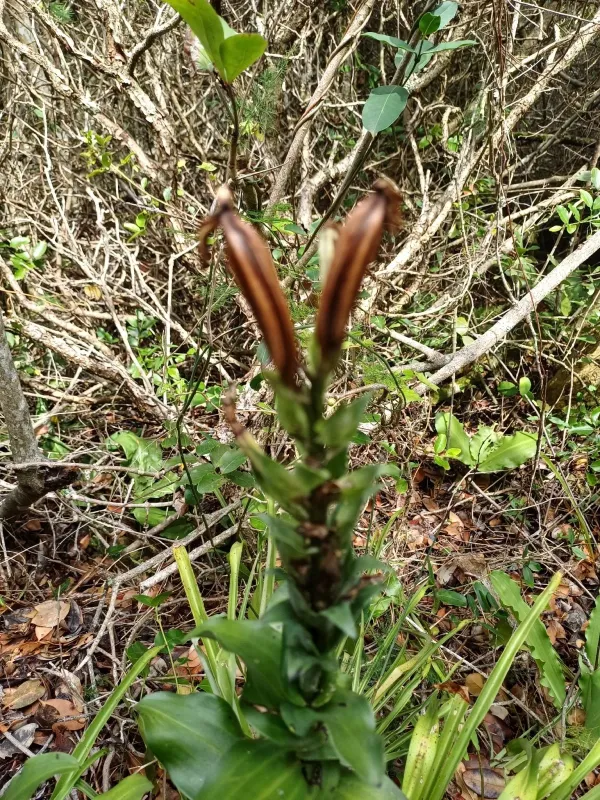
Description
Sowing dates
Propagating Bonatea speciosa is primarily achieved through seed sowing in a sterile lab environment or by careful division of the tubers during the dormant period. The seeds require specific mycorrhizal fungi to germinate effectively in nature.
When cultivating from seed, it is essential to use a specialized orchid agar medium. This ensures that the seedlings receive necessary nutrients before they are robust enough for traditional soil mixtures.
The optimal time for transplanting or division is at the beginning of the growth phase in early spring. This allows the root system to establish itself before the peak heat of the summer months.
Containers must provide excellent drainage to prevent tuber rot. Using a coarse, fast-draining potting mix is recommended to mimic the natural rocky or sandy soils where this orchid thrives.
After planting, the environment should be kept stable in terms of temperature and humidity. Gradually acclimatizing the young plants to standard greenhouse conditions increases their survival rate significantly.
Growing requirements
Bonatea speciosa, a member of the Orchidaceae family, is a distinct plant native to Southern and Eastern Africa. It thrives in diverse habitats, ranging from coastal forests to scrublands, demonstrating its adaptability.
The plant requires a balanced soil composition that is rich in organic matter but retains high porosity. A mix of peat, bark, and perlite provides the necessary structure for healthy root development.
Climate-wise, this species demands warm temperatures and high relative humidity. It is sensitive to frost and must be protected in climate-controlled environments if the temperature drops significantly.
Light intensity is critical for successful flowering. While it enjoys bright conditions, it must be shielded from intense, direct sunlight, which can scorch the foliage and reduce overall plant vitality.
Watering frequency should be adjusted based on the growth cycle. During the growing season, consistent moisture is beneficial, while the dormant period requires significantly drier conditions.
Main diseases and pests
Common pests affecting Bonatea speciosa in controlled environments include mealybugs and aphids. Regular inspection and localized treatment with horticultural soaps are usually sufficient for control.
Root and tuber rot are the most serious threats, almost exclusively caused by overwatering or poorly draining soil. Ensuring proper air circulation around the base of the plant is vital.
Fungal leaf spot diseases can occur if the humidity levels are too high without proper ventilation. Increasing air movement in the greenhouse is a primary preventative measure.
In outdoor settings, snails and slugs pose a physical threat to the succulent shoots and emerging flowers. Traps or physical barriers can effectively manage these populations.
Maintaining sanitary conditions in the greenhouse is essential to prevent the spread of soil-borne pathogens. Always disinfect tools when moving from one plant to another to ensure healthy growth.