
Bonatea antennifera
Bonatea antennifera
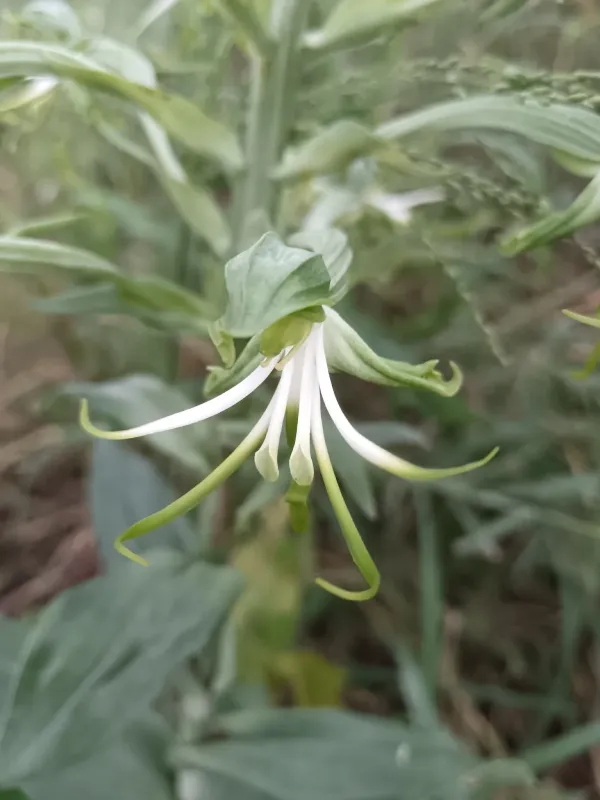
Description
Growing requirements
Bonatea antennifera is a distinct member of the Orchidaceae family, originating from Southern African regions. As a terrestrial orchid, it requires specific growing conditions that mimic its natural habitat in grasslands and woodland margins.
The cultivation medium must be highly porous and well-draining to prevent waterlogging. A blend of coarse perlite, bark, and leaf mould is often recommended to support the complex root system of this particular species.
Light requirements for this crop are significant; it thrives under bright, filtered light. Protecting the foliage from intense midday sun is essential to maintain the structural integrity and green coloration of the leaves.
Temperature control is a vital aspect of agronomy for this species, favoring a temperate environment with clear distinctions between day and night temperatures. Maintaining humidity levels between 60% and 70% is ideal for healthy growth.
Regular monitoring of irrigation is necessary. Watering should be performed when the top layer of the substrate shows signs of dryness, ensuring the base remains damp but never soggy to prevent root hypoxia.
Main diseases and pests
The primary pests affecting this culture include spider mites and mealybugs, which tend to congregate in the leaf axils, draining sap and weakening the plant.
Fungal pathogens such as Phytophthora can cause severe damage if the humidity is too high and ventilation is restricted, leading to leaf spot and rot.
Root rot, driven by stagnant moisture, remains the most frequent cause of mortality in cultivated specimens, necessitating strict drainage management.
Proactive integrated pest management, including periodic inspections and usage of neem oil or insecticidal soaps, is highly recommended for ornamental growers.
Cultural practices, such as ensuring proper spacing between plants and avoiding water accumulation on the crown, are fundamental for preventing disease outbreaks.