
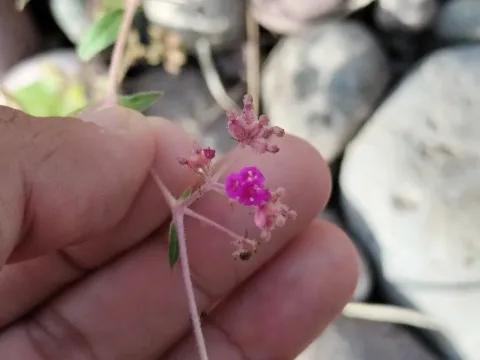
Boerhavia
Boerhavia L.
Sowing of Boerhavia seeds is best conducted in late spring when soil temperatures reach 20-25 degrees Celsius consistently. It is recommended to scarify the seeds or soak them in warm water for 24 hours to break seed dormancy and improve the overall germination rate in the field.
What the section contains


Boerhavia
For commercial production, seeds are typically sown in rows with adequate spacing to allow for proper airflow. If starting indoors or in a nursery, planting in biodegradable trays ensures minimal root disturbance during the final transplanting process into open soil conditions.
Boerhavia, a member of the Nyctaginaceae family, thrives in warm, tropical, and subtropical climates. It demands well-draining, loose soil, such as sandy loams, and is highly sensitive to waterlogging, which often leads to root rot if the soil structure is too heavy or compact.
The plant is highly heliophilic, requiring full sun exposure throughout the day for optimal growth and secondary metabolite production. While it is naturally drought-tolerant once established, supplemental irrigation during the peak growing season significantly enhances the total biomass yield.
It prefers warm environments and strictly requires protection from frost, as even mild temperatures below 5 degrees Celsius can cause severe damage or necrosis. The plant is well-adapted to poor soils but shows enhanced vigor when soil nutrient levels are properly managed through organic amendments.
Fungal infections, particularly root rot and leaf spot diseases, are the primary threats when the crop is cultivated in high-humidity areas. Proper spacing and strict irrigation management are essential to maintain an environment where pathogens cannot thrive on the foliage or root systems.
Insect pests including aphids, spider mites, and whiteflies may colonize the plants, especially during the early developmental stages. Integrated pest management practices, including the use of neem-based oils or beneficial insects, are recommended to maintain plant health without chemical contamination.
Harvesting the aerial parts of Boerhavia is timed with the flowering stage, ensuring the plant tissues contain the highest concentration of active compounds. Once harvested, the material should be spread in thin layers in a shaded, ventilated area to preserve the integrity of the bioactive constituents.
The roots are harvested at the end of the season, usually after the plant has begun to senesce. This timing ensures that energy and secondary metabolites are stored in the tubers. The roots are then thoroughly washed, sliced, and dried at low temperatures to ensure a shelf-stable final product.