
Spreading hogweed
Boerhavia diffusa L.
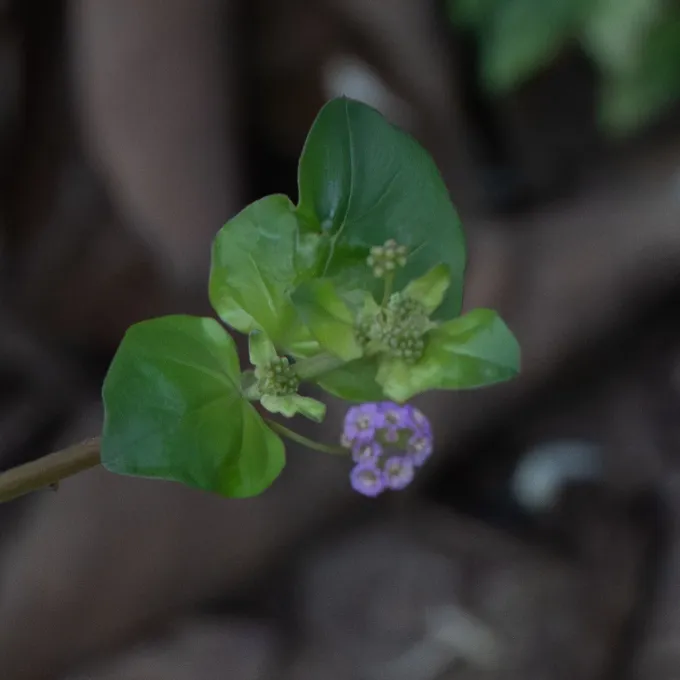
Description
Sowing dates
Boerhavia diffusa is typically sown in the spring when soil temperatures reach 20–25 degrees Celsius. In regions with shorter growing seasons, starting seeds in greenhouses or propagation trays 4–6 weeks before the last frost date is highly recommended for success.
Seeds are tiny and should be sown at a shallow depth of 0.5 to 1 centimeter. Consistent soil moisture is vital during the germination phase, which can take up to two weeks, so maintaining a light mist or cover is standard practice in agricultural settings.
Proper spacing is crucial for maximizing light absorption and air circulation around the plants. A recommended density of 30,000 to 40,000 plants per hectare ensures that each plant has enough space to develop its characteristic sprawling habit without overcrowding.
Pre-soaking seeds in growth stimulants can improve germination uniformity, which is a major advantage for commercial growers. The plant also exhibits strong self-seeding tendencies in warm climates, so careful management of subsequent seasons is required if re-planting is not intended.
Transplanting seedlings should be performed with care to minimize root disturbance. The plant establishes quickly in warm, well-draining soil, making it a reliable crop if the initial transplanting is done after the risk of cold snaps has passed.
Growing requirements
Belonging to the Nyctaginaceae family, spreading hogweed is a sun-loving plant that thrives in high-light environments. Full sun exposure is essential for the synthesis of the medicinal alkaloids for which the plant is widely cultivated in pharmaceutical industries.
The plant is remarkably adaptable to various soil types, ranging from sandy to loamy textures. However, the best performance is seen in well-drained soils with a pH range of 6.0 to 7.5, as the plant is sensitive to waterlogging, which can rapidly lead to root decay.
Boerhavia diffusa is a thermophilic crop that requires average temperatures between 25 and 30 degrees Celsius for optimal biomass accumulation. It is frost-tender and must be grown as an annual in temperate climates where winter temperatures drop below freezing.
While the plant has moderate drought tolerance, regular irrigation is necessary to support rapid vegetative growth during the peak of the season. Water management should be precise, allowing the soil to dry slightly between watering cycles to maintain root health.
Routine weeding and inter-row cultivation are necessary to reduce competition for nutrients and water. Integrating organic fertilizers early in the season can significantly enhance the development of the leaf canopy, leading to higher overall productivity.
Yield
The yield of Boerhavia diffusa is highly dependent on climate and cultivation techniques. In managed field conditions, farmers can expect a yield of 2 to 5 tons of dry biomass per hectare, depending on whether the entire plant or specific parts are harvested.
The concentration of bioactive compounds, particularly in the roots, peaks at the end of the vegetative cycle. Therefore, allowing the plant to reach full maturity before harvest is essential to ensure the quality and potency of the final herbal product.
Biomass accumulation is continuous throughout the warm season, meaning that early harvesting will lead to lower yields. Strategic nitrogen applications during the initial growth phase can stimulate branching and increase the harvestable volume of the herb.
Limited light and extreme temperature fluctuations are the primary factors that decrease overall yield. Providing adequate space and optimal fertility levels consistently helps in achieving high-quality yields in both greenhouse and field-grown operations.
Post-harvest processing involves cleaning and drying, where yield loss can occur if improper techniques are used. Farmers should ensure that the drying process is efficient to maximize the sellable volume of the harvested material.
Main diseases and pests
Spreading hogweed is naturally resilient to many common pests due to its phytochemical profile. However, high humidity levels can invite fungal pathogens such as powdery mildew, which can blemish the foliage and reduce the crop's market value.
Root rot is the most common and damaging issue in poorly drained fields. Preventing this requires diligent soil preparation, including proper grading and the addition of organic amendments to improve the drainage capacity of the planting site.
Pests like aphids and spider mites are frequent invaders, feeding on tender new growth. Regular scouting of the field is necessary, and if infestations occur, biological control methods are preferred to maintain the organic standards often required for medicinal herbs.
Integrated pest management (IPM) strategies, including crop rotation, play a vital role in preventing the build-up of soil-borne pathogens. Rotating Boerhavia with non-host crops like grasses is an effective way to keep the fields healthy over multiple seasons.
Chemical intervention should be kept to an absolute minimum to avoid contamination of the medicinal extract. Instead, cultural practices like spacing and irrigation management should be prioritized to keep the plants vigorous and resistant to damage.
Harvesting
Harvesting usually occurs in the autumn when the plant has completed its vegetative cycle. The aerial parts are cut using mechanical harvesters set at a height of approximately 5–10 centimeters to allow for potential regrowth or simply to clear the field efficiently.
Roots are harvested using plows or specialized digging equipment. Since the roots are the most valuable component for many medicinal applications, they must be excavated with minimal damage and thoroughly washed to remove all soil particles before processing.
After the harvest, the material is cleaned and transported to a drying facility. Drying temperatures should not exceed 45 degrees Celsius to preserve the thermolabile compounds that provide the plant with its therapeutic benefits.
Proper packaging in breathable, moisture-resistant bags is essential for storage. This prevents mold growth and preserves the integrity of the herbs during transport to pharmaceutical manufacturing facilities or processing plants.
Inventory management should focus on FIFO (first-in, first-out) principles to ensure the freshness of the product. By maintaining strict control over the harvesting and drying conditions, growers can ensure a premium, high-potency product for the industry.