
Bluebeard
Caryopteris incana (Thunb. ex Houtt.) Miq.
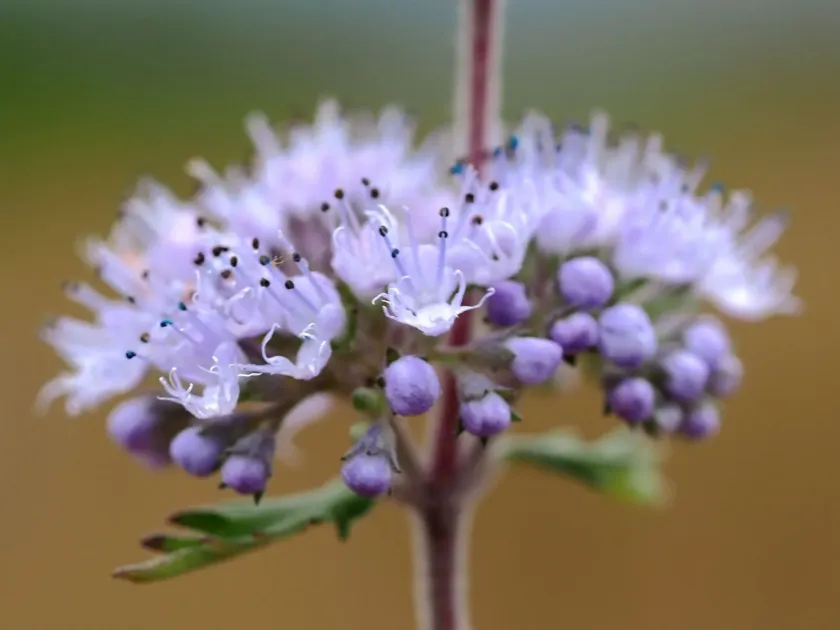
Description
Sowing dates
Propagation of Caryopteris incana can be achieved through seeds or stem cuttings. Spring sowing is the preferred method, performed once the threat of frost has completely passed and the soil has warmed up sufficiently.
For seed germination, a stratification process is highly recommended. Keeping seeds in a cold environment for about 4 to 6 weeks significantly improves the uniformity of seedling emergence.
Indoor sowing in containers can begin in late winter to ensure the plants are robust enough for transplanting. Using a light, well-draining germination mix is crucial for the delicate root systems of young seedlings.
Softwood cuttings taken in early summer are another reliable method. These should be placed in a humid environment, such as a cold frame, to encourage rapid root development before the onset of autumn.
Proper spacing is vital for the health of the plant. Maintaining a distance of at least 70–80 centimeters between shrubs allows for optimal air circulation, which helps prevent foliage diseases.
Growing requirements
Caryopteris incana is a semi-shrub belonging to the Lamiaceae family. It is native to East Asia, primarily found in regions across China, Japan, and the Korean Peninsula, where it thrives in sunny exposures.
The plant requires full sun to bloom successfully. In environments where light is limited, the stems tend to become leggy and the overall flower production is drastically reduced.
Well-drained soil is the most critical requirement. It prefers a sandy or loamy soil texture and cannot tolerate "wet feet." Adding grit or coarse sand to the planting hole is recommended for heavy clay soils.
While the plant shows good drought tolerance once established, consistent moisture is necessary during the first year of growth. Once matured, it can handle short periods of dryness quite well.
Winter protection is necessary in colder climates. Applying a thick layer of organic mulch around the base of the plant protects the root crown from extreme temperature fluctuations and frost damage.
Main diseases and pests
Root rot is the most common threat to Caryopteris, typically resulting from poor drainage or overwatering. Maintaining a balanced irrigation schedule is the most effective way to avoid this issue.
Pests are generally not a significant problem for this plant, as its leaves contain aromatic essential oils that naturally repel many harmful insects found in the garden.
Spider mites may occasionally infest the plant during prolonged periods of hot, dry weather. Regular inspection of the undersides of the leaves can help identify and treat the issue early with insecticidal soap.
Aphids can sometimes target tender new growth during the spring flush. While usually not lethal, they can cause stunted growth and should be treated if the infestation becomes heavy.
Fungal diseases like powdery mildew may appear if airflow is restricted. Pruning the plant annually to remove dead or overcrowded branches significantly improves air movement and overall plant hygiene.
Harvesting
Caryopteris incana is primarily utilized in ornamental horticulture for its late-season interest. It provides a burst of blue color when most other garden plants have finished their flowering cycle.
Harvesting for dried floral arrangements should be done during the peak of the flowering period. Stems should be cut and hung upside down in a shaded, ventilated area to preserve their color and texture.
The plant is highly valued as a honeybee-attracting species. Its presence in a garden ecosystem supports local biodiversity and enhances the pollination of nearby vegetable crops.
Autumn maintenance involves cutting back the stems to promote vigorous growth the following season. This pruning practice ensures that the shrub remains compact and prevents it from becoming woody and sparse.
Fertilization with a balanced, slow-release fertilizer in early spring provides the necessary nutrients for the plant to sustain its rapid growth and abundant flowering throughout the summer and early autumn months.