
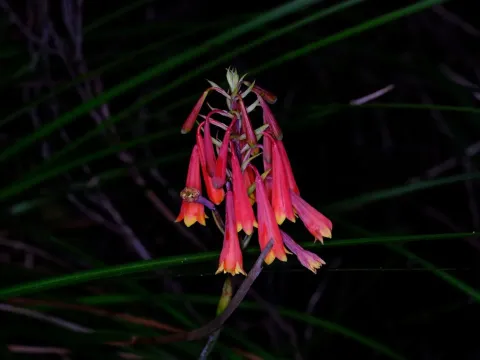
Blandfordia
Blandfordia Sm.
Blandfordia is typically propagated via seeds, as division of established clumps can be highly damaging to the root system. Seeds are sown in late winter within a protected environment, requiring a stable germination temperature of approximately 20 degrees Celsius.
What the section contains

Blandfordia
Germination is often erratic and may take several weeks or even months to occur, requiring patience from the grower. Seeds should be sown on the surface or covered very lightly, as light exposure is beneficial for the germination process of many species in this genus.
Pricking out seedlings must be handled with extreme care once they have developed several true leaves. The roots of Blandfordia are famously sensitive, so minimal root disturbance during transplanting is crucial to prevent transplant shock.
Many professional growers recommend pre-sowing stratification to improve germination rates, mimicking the natural seasonal changes that seeds undergo in the wild. This step can significantly increase the viability of the seedling population.
Young plants should be hardened off before being moved to their final outdoor location or larger containers. This adaptation period is vital to ensure they can withstand local weather fluctuations without suffering growth set-backs.
Blandfordia (Blandfordia) belongs to the Asphodelaceae family and is native to the coastal regions of eastern Australia. These plants are known for their striking bell-shaped flowers and are highly prized in specialized horticultural circles.
The cultural requirements demand acidic, well-draining soil rich in organic matter. In commercial production, peat-based mixes combined with coarse sand are usually preferred to ensure sufficient aeration for the delicate root structure.
Blandfordia thrives in bright, filtered light and should be protected from harsh, direct midday sun. Maintaining an environment with consistent, moderate humidity is essential for success, particularly when cultivating them in pots or glasshouses.
Temperature management is another critical factor; the plant performs best in moderate climates without extreme temperature swings. During the winter dormancy phase, temperatures should be kept cool but never allowed to drop to freezing point.
Fertilizer application must be approached with caution, using low-phosphorus formulations suitable for sensitive native plants. Excess fertilizer can cause salt toxicity, leading to rapid deterioration of the root system and foliage.
Root rot is the most significant threat to Blandfordia, usually triggered by poor drainage and over-irrigation. Once the roots are compromised by fungal pathogens, recovery is often difficult, making prevention the best strategy.
Pests such as spider mites and mealybugs can infest the foliage, particularly in environments with stagnant air or low humidity. These pests suck the sap from the leaves, resulting in stunted growth and discolored, wilted foliage.
Leaf spot caused by various fungi can occur if water remains on the leaves for extended periods. Good ventilation and ensuring that only the base of the plant is watered help mitigate the risk of these foliage-related issues.
Salt accumulation from using hard water or over-fertilizing is a common non-pathogenic threat that can look like a disease. Growers should regularly monitor the pH and electrical conductivity of the growing medium to ensure optimal health.
Integrated pest management, including regular inspection and sanitation of the growing area, is recommended. If an outbreak occurs, immediate isolation of the affected plants is necessary to prevent the spread of the pathogen or pest to the rest of the collection.