
Broad-leaved leek
Allium nigrum L.
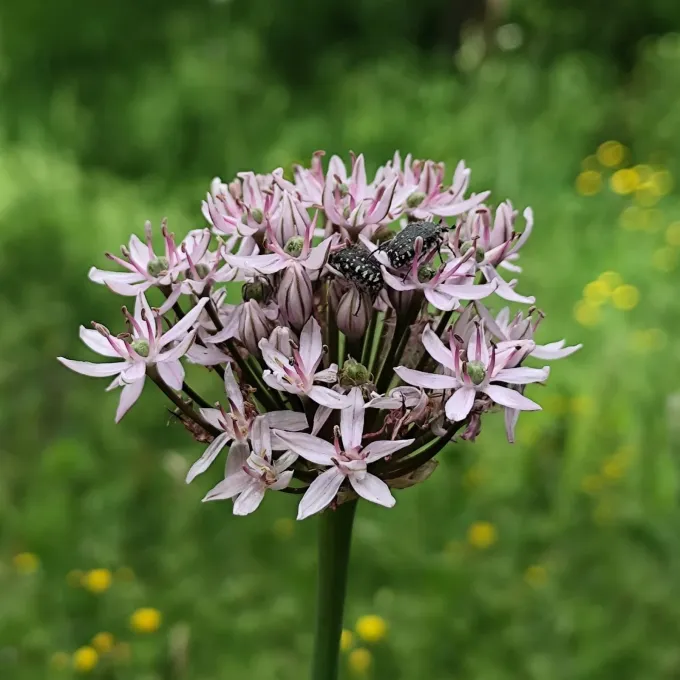
Description
Sowing dates
Planting Allium nigrum bulbs should be performed in early autumn, ideally four weeks before the ground freezes. This timing allows the root system to establish itself effectively before the dormant winter phase.
The bulbs should be planted at a depth of 10 to 15 centimeters, depending on soil texture. A spacing of at least 20 to 30 centimeters between bulbs is essential to prevent overcrowding and ensure adequate airflow.
Seed propagation is an alternative, though it takes longer to achieve full maturity. Seeds are sown in shallow furrows, no deeper than 2 centimeters, either in spring or during the late autumn season.
Plants grown from seeds generally require three to four years to reach their flowering stage. Therefore, professional growers often prefer vegetative division of the bulbs to ensure earlier aesthetic results.
Proper preparation of the soil, including the incorporation of well-rotted compost, provides the necessary nutrients for the first season of growth after planting the bulbs.
Growing requirements
Allium nigrum belongs to the Amaryllidaceae family and thrives in well-draining, nutrient-rich soils. It prefers a sunny location with exposure to full light to encourage vigorous stem development and large umbels.
While the plant is quite adaptable, it is highly sensitive to waterlogged conditions, which can lead to rapid bulb rot. Ensuring an effective drainage system is the most critical requirement for successful cultivation.
The climate should be temperate, as the plant is hardy but benefits from a layer of mulch during particularly harsh, snowless winters to protect the bulbs from deep freezing.
Regular maintenance involves keeping the soil loose and free of weeds. Proper aeration around the base of the plant is vital to prevent fungal infections during the humid spring months.
Fertilization should be handled carefully; balanced mineral fertilizers are applied in early spring. Avoid heavy nitrogen applications later in the season to prevent weak growth prior to dormancy.
Main diseases and pests
The most significant threats to Allium nigrum include neck rot and basal rot, both of which are usually caused by excessive moisture levels in the soil or poor ventilation.
Onion flies and thrips are common pests that can infest the bulbs and leaves. If left untreated, these pests can severely weaken the plant and reduce the size of the floral display.
Integrated pest management, including the use of targeted insecticides and crop rotation, is recommended to keep pest populations below damaging levels during the peak growing season.
Sanitation is key to managing diseases; removing and disposing of infected bulbs immediately prevents the spread of pathogens to healthy neighbors in the garden or field.
Providing the plant with optimal sunlight and adequate space reduces its susceptibility to most common onion diseases, making it a relatively low-maintenance ornamental bulb.
Harvesting
Harvesting bulbs for propagation or relocation is best carried out once the foliage has turned yellow and withered naturally. This signifies that the bulb has finished storing energy for the next cycle.
Carefully lift the bulbs using a garden fork, taking extreme caution not to nick or pierce the outer layers. Any mechanical damage serves as an entry point for bacteria and fungal spores.
Post-harvest, the bulbs must be cleaned of excess soil and allowed to cure in a dry, shaded area for several weeks. Proper curing is essential for hardening the protective scales.
Storage should take place in a cool, dark, and well-ventilated environment. Temperatures should be maintained between 10 and 15 degrees Celsius to keep the bulbs in a dormant state.
Routine division is recommended every three to five years to keep the plants vigorous. This process prevents the cluster from becoming too dense, which can lead to stunted flower production.