
Pitch trefoil
Bituminaria bituminosa (L.) C. H. Stirt. var. crassiuscula P. Méndez et al. et al.
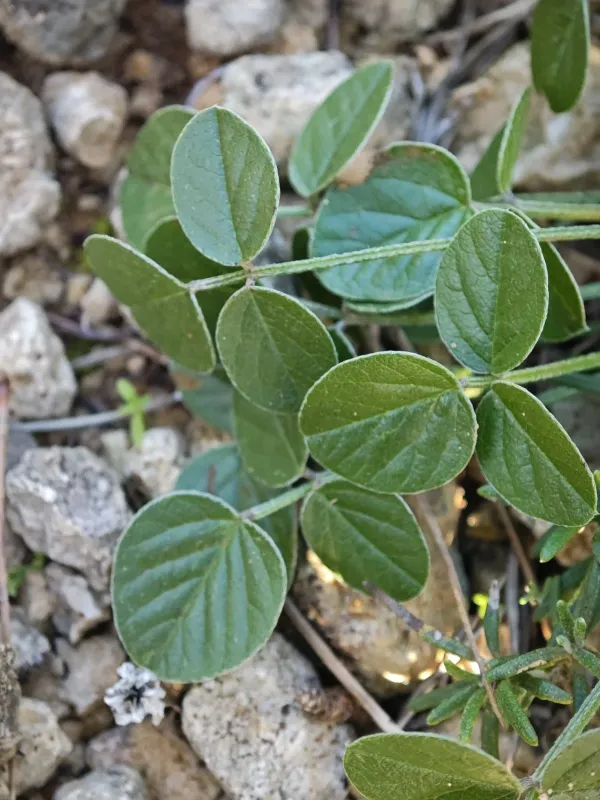
Description
Sowing dates
Pitch trefoil is a perennial herbaceous plant from the Fabaceae family, highly valued for its resilience in arid climates. Sowing should take place in early spring once soil temperatures consistently reach 10–12°C, ensuring optimal germination rates.
For best results, use a row-planting method. This structure provides adequate space for plant development and facilitates weed control, which is essential during the early establishment phase of the stand.
Seeds should be planted at a depth of 1–2 centimeters, ensuring they have sufficient soil contact to prevent drying out. Maintaining consistent moisture in the upper soil layer during the first few weeks is crucial for uniform emergence.
Field preparation must be thorough, including deep plowing and leveling. A well-prepared seedbed encourages strong initial root growth, allowing the plants to become drought-tolerant more quickly as they mature.
In Mediterranean-type climates, autumn sowing is also a viable option. Early establishment before winter allows for faster growth in the following spring, leading to higher biomass yield in the first production year.
Growing requirements
This crop is exceptionally well-adapted to Mediterranean environmental conditions. It thrives in sunny locations with high solar radiation and is highly resistant to prolonged periods of summer drought.
Pitch trefoil prefers well-drained, neutral to alkaline soils. It is sensitive to waterlogging, so fields with poor drainage or heavy clay content should be avoided to prevent root diseases.
As a legume, it forms a symbiotic relationship with nitrogen-fixing bacteria, reducing the need for synthetic fertilizers. This trait makes it an excellent choice for improving soil quality in nutrient-poor areas.
Sunlight is the primary driver of growth for this species. It should be grown in open fields where it can receive maximum daily light, as shaded areas result in thinner stems and lower overall forage quality.
Soil cultivation between rows helps maintain good aeration. Proper soil management encourages beneficial microbial activity, which strengthens the plant's overall resistance to environmental stress.
Yield
Pitch trefoil is highly productive, capable of providing several cuts per season if soil moisture is managed correctly. Its biomass remains stable and nutrient-dense, even during the peak of summer heat.
The forage is characterized by a high protein content, making it an excellent component of animal diets. Cutting at the onset of flowering ensures the best balance of digestible fibers and proteins.
Under optimal management, a single sowing can remain productive for 5–7 years. Regular fertilization with phosphorus and potassium can extend the lifespan and productivity of the field.
Seed production is an additional economic benefit. Yields are maximized when pollination conditions are favorable during the flowering window, usually occurring in mid-to-late summer.
The crop is also recognized for its potential in land reclamation. Its strong root system prevents erosion, and the resulting biomass contributes to organic matter buildup in the soil structure.
Main diseases and pests
Pitch trefoil is naturally robust due to the presence of secondary metabolites, such as resins and terpenes, which act as deterrents against many common plant pests.
Root rot is the most significant threat, occurring primarily in poorly drained soils. Avoiding over-irrigation and maintaining proper field drainage is the most effective preventative measure.
Leaf spot diseases may occasionally appear during prolonged wet weather. Ensuring good airflow within the canopy through proper spacing and weeding helps minimize the risk of fungal spread.
While insect pests like aphids or weevils may occur, they rarely cause economic damage to well-established stands. Biological control methods are usually sufficient to maintain pest populations at harmless levels.
Routine field monitoring is advisable, especially in the spring. Early detection of any stress symptoms allows for quick management actions, ensuring the long-term viability of the legume stand.
Harvesting
Mechanical harvesting should be carried out using mower-conditioners. Maintaining a cutting height of at least 8–10 centimeters is vital to protect the crown and ensure healthy regrowth for the next cycle.
Hay production requires rapid drying to preserve color and nutrient quality. Using tedders to turn the forage helps maintain uniform moisture levels across the swath, reducing the risk of mold.
Silage production is also a common practice. The crop’s high sugar content aids the fermentation process, resulting in a palatable and high-quality winter feed for livestock.
Seed harvesting should be timed carefully. Once the pods turn brown, they become brittle; timely harvesting prevents natural shedding and ensures the highest yield of viable seeds.
After the final cut of the season, a light harrowing is beneficial. This practice helps clear debris and stimulates the plants for the next growing season, keeping the field in peak condition.