
Bituminaria bituminosa
Bituminaria bituminosa (L.) C. H. Stirt.
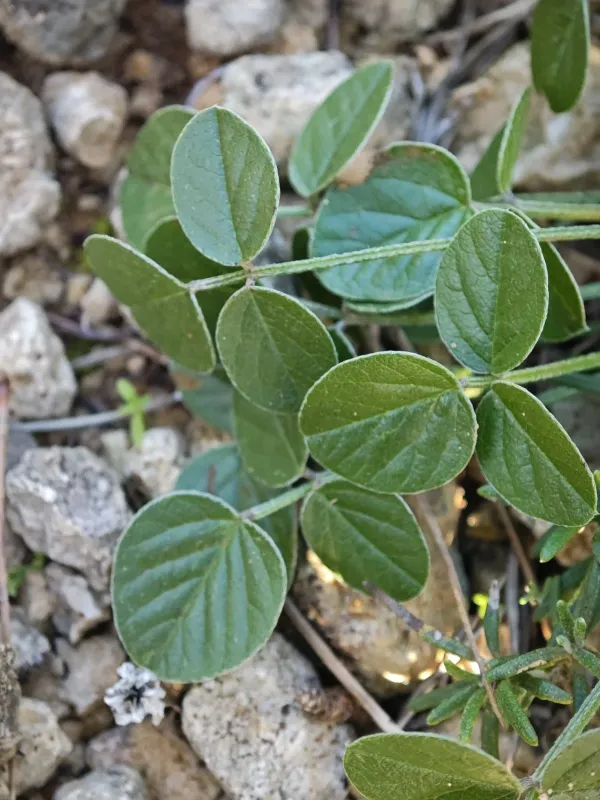
Description
Sowing dates
Bituminaria bituminosa, commonly known as pitch trefoil, is a perennial legume belonging to the Fabaceae family. It is a highly resilient plant native to the Mediterranean region.
Sowing is best performed in the autumn or early spring. The soil temperature must be between 10 and 15 degrees Celsius to ensure successful germination and seedling establishment.
Scarification of the seeds is recommended before planting, as they possess a hard seed coat that can delay germination. Planting depth should be maintained at 2-4 centimeters.
Due to its expansive root system, proper spacing is essential. Planting in rows 50-70 centimeters apart allows for optimal airflow and development of the plants.
During the initial growth phase, weeding is necessary to ensure that young seedlings are not outcompeted by aggressive weeds until they are well established.
Growing requirements
This crop is a classic xerophyte, thriving in environments with limited rainfall. Its deep root system allows it to withstand severe drought conditions effectively.
It prefers well-drained, neutral, or slightly alkaline soils. It performs remarkably well even on rocky, poor, or sandy substrates where other legumes might struggle.
Sunlight is a crucial requirement for biomass production. The plant is strongly heliophilic and does not tolerate shade, which can significantly stunt its growth.
The climate should be mild, as the plant is susceptible to severe frost. It requires a balance of warmth during the growing season without excessive moisture.
Waterlogging must be avoided at all costs. Poor drainage is the primary cause of root rot, which can quickly wipe out an entire stand of this plant.
Yield
The yield of green biomass depends heavily on spring moisture and sunlight levels. In well-managed stands, the crop can provide multiple harvests during a single season.
The nutritional profile is similar to alfalfa, although the presence of specific terpenes gives the foliage a characteristic odor that livestock adapt to over time.
Seed production reaches its peak potential in the second or third year of growth, once the plant has established a robust root and shoot system.
Strategic application of phosphorus and potassium fertilizers can significantly boost yield on marginal lands, supporting the nitrogen-fixing properties of the plant.
The longevity of a stand can reach up to 8 years, making it a highly sustainable and economically viable option for long-term pasture development.
Main diseases and pests
Fungal diseases are the primary threat, particularly when soil drainage is poor. Root and collar rot are common issues in overly wet conditions.
Insect pests, including weevils and aphids, may affect plant vigor. Regular field monitoring is essential to catch early signs of pest infestations.
Weeds are mainly a threat during the establishment year. Mature plants exert a strong allelopathic effect, which naturally helps them suppress competing vegetation.
Poor grazing management, such as over-harvesting, can deplete carbohydrate reserves in the roots, making the plants vulnerable to secondary infections and environmental stress.
Crop rotation should be practiced to prevent the buildup of soil-borne pathogens, ensuring the long-term health and productivity of the agricultural plot.
Harvesting
The first harvest should be timed for the onset of the flowering stage to ensure the highest protein content and nutritional value of the harvested biomass.
Seed harvesting should be timed carefully when the pods turn dark or brown to prevent pre-harvest loss caused by natural seed shattering.
Machinery should be adjusted to keep a sufficient stubble height, which allows the plant to regenerate quickly and provides enough cover for the root base.
Once harvested, the material must be dried quickly to a moisture content of below 20%. Proper drying prevents mold and maintains feed quality.
Grazing or final mowing should be suspended well before the first expected frost. This resting period is critical for the plant to store energy for winter survival.