
Bituminaria bituminosa
Bituminaria bituminosa (L.) C. H. Stirt. var. albomarginata P. Méndez et al.
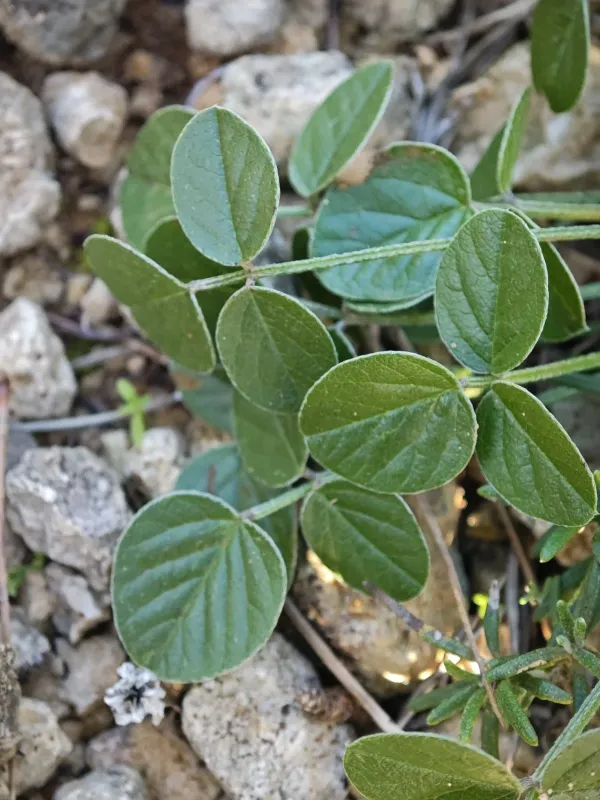
Description
Sowing dates
Sowing of Bituminaria bituminosa should be timed for early spring when soil temperatures reach 10–12 degrees Celsius. This temperature range is ideal for triggering germination and establishing a robust root system before the onset of summer heat.
Field preparation is crucial, requiring a fine, firm, and weed-free seedbed to ensure optimal contact between the soil and seeds. Incorporating a small amount of organic fertilizer can provide initial support for the seedlings during the early growth phase.
The optimal seeding rate depends on whether the crop is being established for permanent pasture or hay production. Generally, a density of 10 to 15 kilograms of seeds per hectare is sufficient to achieve an effective stand covering the entire plot.
Seeds should be planted at a shallow depth of 1 to 2 centimeters to prevent them from drying out while ensuring they have enough soil cover to maintain moisture levels. Shallow sowing also allows for easier emergence for the young seedlings.
In the first few weeks, the plants grow slowly, requiring careful weeding to minimize competition for resources. Mechanical cultivation between rows is recommended until the crop reaches a stage where it can successfully suppress weed development on its own.
Growing requirements
Bituminaria bituminosa, commonly known as pitch trefoil, is a resilient perennial legume from the Fabaceae family. It is renowned for its exceptional adaptability to diverse environmental conditions, including poor, rocky, and alkaline soils.
The plant is highly drought-tolerant, utilizing a deep taproot to access water in harsh environments. This characteristic makes it an ideal candidate for reclaiming degraded lands or for use in regions prone to long-term moisture deficits.
Regarding climate, it thrives in warm, sunny regions with sufficient light intensity. While it can withstand cold spells, its primary productivity is driven by consistent exposure to sunshine and moderate warmth throughout the growing season.
The legume's ability to fix atmospheric nitrogen via symbiotic bacteria enhances soil fertility naturally, reducing the need for synthetic nitrogen fertilizers. This makes it a valuable asset for farmers aiming to implement more sustainable and cost-effective agricultural practices.
Proper field drainage is essential, as the plant does not perform well in waterlogged soils. Ensuring that the site is well-drained will prevent root rot and promote long-term plant health and productivity for several years.
Yield
The yield of Bituminaria bituminosa is largely influenced by the number of cuts and the availability of water. With proper management, the crop can provide several harvests of nutrient-rich biomass throughout the growing season.
Under favorable conditions, annual dry matter yields can range from 5 to 8 tonnes per hectare. The plant's ability to regrow rapidly after mowing allows for an efficient harvest cycle, providing a consistent supply of fodder.
The nutritional profile remains high during the early flowering phase, offering high-quality protein and fiber content for ruminants. This makes it an excellent choice for improving the nutritional quality of livestock rations in arid climates.
Supplemental irrigation during peak growth periods can significantly boost dry matter yields. Farmers should balance the costs of irrigation against the projected increase in biomass to ensure the economic viability of the forage production.
Maintaining soil fertility through periodic additions of phosphorus and potassium can sustain high productivity over time. Such inputs help the plants remain vigorous and competitive, ensuring they reach their maximum growth potential annually.
Main diseases and pests
Bituminaria bituminosa is naturally robust against many common agricultural pests, partly due to the presence of specific resins and essential oils in its tissues. This secondary metabolism acts as a natural deterrent against many insects.
Despite its resilience, fungal diseases can occur under conditions of high humidity or poor aeration. It is important to monitor the stands during rainy periods to detect any signs of leaf spots or mildew that could impact the quality of the fodder.
Weed management remains the most critical task during the establishment phase. Once established, the plant's strong competitive nature usually helps keep weed populations under control, provided the stand density is adequate.
Root rot is the most significant threat related to soil management. Avoiding over-irrigation and ensuring the site remains free of standing water are primary preventative measures to maintain the health of the root system.
Integrated Pest Management (IPM) strategies, which prioritize natural controls and crop rotation, are recommended. Minimizing pesticide use preserves the local beneficial insect population, which can aid in the overall health of the ecosystem surrounding the field.
Harvesting
Harvesting should be initiated when the plants are in their early flowering stage. This timing ensures the best balance between biomass quantity and nutritional quality, specifically maximizing the protein concentration in the foliage.
The use of standard forage harvesting equipment is appropriate, provided that the cutter bar height is set correctly. A height of at least 10–12 centimeters is essential to avoid damaging the crown and allowing the plants to recover quickly after each harvest.
For hay production, the cut material should be turned frequently to promote drying. Given the plant's resinous nature, the drying process may take slightly longer than other common legumes, so efficient turning is key to preventing molding.
Ensuring the correct moisture content—typically below 18 percent for dry hay storage—is vital for preserving quality. Proper storage in a dry, ventilated area will prevent spoilage and maintain the feed's nutritional value throughout the off-season.
In cases where seed production is the goal, harvest should occur when the pods start turning brown and are at the point of physiological maturity. Harvesting at the right moment prevents significant yield loss due to pod shattering.