
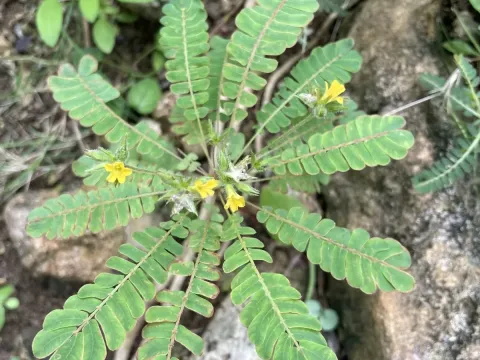
Biophytum
Biophytum
Biophytum seeds are best sown in the spring when daylight hours begin to increase significantly. Under greenhouse or controlled indoor conditions, sowing can be performed year-round provided that adequate artificial lighting is available.
What the section contains

Biophytum
For successful germination, seeds should be distributed over the surface of a light, moist substrate composed of peat and sand. Seeds must not be buried deeply, as they require exposure to light to trigger germination processes.
The seed container should be covered with glass or film to create a mini-greenhouse effect. Maintaining constant high humidity is a critical factor during the initial stage of seedling development.
The optimal temperature for Biophytum seed germination is between +22 and +25 degrees Celsius. Initial sprouts usually appear within two to three weeks after sowing, provided the temperature regime is strictly maintained.
Seedlings should be pricked out once they develop their first pair of true leaves. Transplanting must be performed with extreme care to preserve the delicate root system of the young plants.
Biophytum is a typical tropical plant belonging to the Oxalidaceae family that requires stable growth conditions. The plant is highly sensitive to sudden temperature fluctuations and drafts, which can cause leaf drop.
High air humidity, at least 60-70%, is necessary for the proper development of the crop. In rooms with dry air, regular misting or the use of specialized humidifiers is highly recommended.
The soil must be loose, well-aerated, and have a slightly acidic or neutral pH. A mixture of turf soil, leaf mold, and coarse sand in equal proportions is ideal for this plant.
This species prefers bright, diffused light and strictly avoids direct sunlight. Excessive exposure to solar radiation causes burns on the delicate leaf blades and loss of the plant's ornamental appeal.
Watering should be regular but moderate to prevent moisture stagnation near the roots. Overwatering the substrate is a common cause of root rot and subsequent plant mortality.
In indoor environments, the main threats to Biophytum are sap-sucking pests such as spider mites and mealybugs. These pests multiply rapidly in low-humidity conditions and weaken the plant structure.
Systematic overwatering leads to fungal diseases, which often manifest as root and crown rot. Because the disease spreads very quickly, it is essential to reduce watering immediately upon detecting early symptoms.
Gray mold can affect the aerial parts of the plant if it is kept in poorly ventilated conditions. To combat fungal infections, systemic fungicides should be applied according to the manufacturer's instructions.
Pest prevention involves regular inspections of the underside of the leaves and maintaining optimal air humidity. When pest colonies appear, bio-insecticides based on avermectins have proven to be highly effective.
Timely sanitary pruning of damaged plant parts helps reduce the risk of infection spreading within the collection. A healthy, well-maintained plant possesses a high natural immunity against most common pathogens.