
Bigelowia veneta
Bigelowia veneta
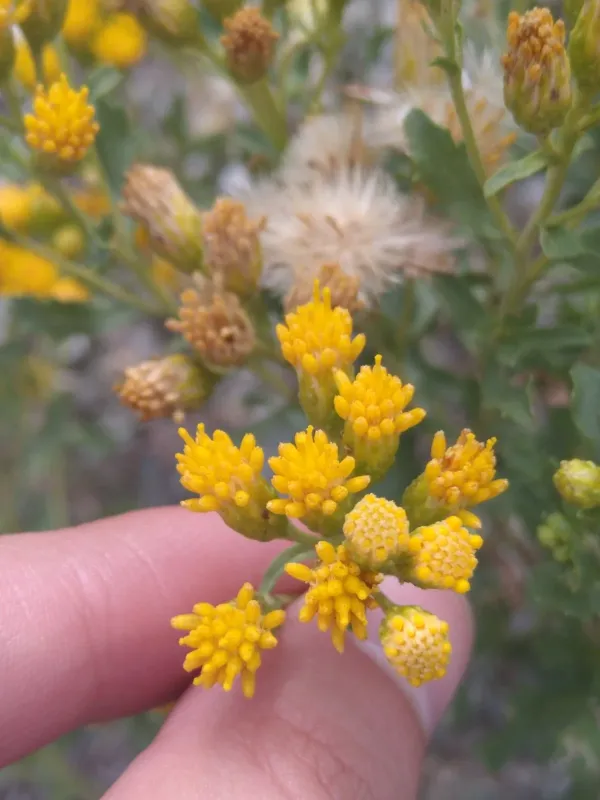
Description
Growing requirements
Bigelowia veneta, also known as Isocoma veneta, is a perennial herbaceous plant belonging to the Asteraceae family. It is a resilient species well-adapted to harsh environmental conditions, commonly found in arid regions of North America.
The native habitat of this plant includes the Southwestern United States and Mexico, where it thrives in desert scrublands. Its evolutionary history has endowed it with significant drought resistance and heat tolerance, making it a subject of interest for low-water agriculture.
For optimal growth, Bigelowia veneta requires well-drained, sandy or gravelly soil. It performs best in soils with a neutral to alkaline pH level. Its ability to tolerate salinity allows it to be cultivated in areas where traditional crop production is limited.
Solar exposure is a critical factor for this species; it requires full sun to maintain structural integrity and chemical composition. Lack of light can lead to spindly growth and reduced vitality, which negatively impacts its overall agronomic yield.
Industrially, the plant is valued for its potential in erosion control and soil stabilization. Furthermore, it serves as a nectar source for pollinators in desert ecosystems, contributing to local biodiversity and supporting the health of the surrounding environment.
Main diseases and pests
The primary threat to the health of Bigelowia veneta is over-irrigation. Excessive moisture in the root zone is highly detrimental, often leading to the development of root rot pathogens that can quickly devastate entire plant stands.
Pest pressure from aphids is a common concern during the active growing season. These insects feed on the tender sap of the plant, potentially causing stunting and secondary infections if the infestation is not addressed promptly.
Spider mites represent another risk factor, particularly in extreme heat conditions where the plant's natural defenses may be challenged. Their feeding can cause chlorosis and premature leaf drop, weakening the plant's overall health.
Disease management relies heavily on preventative agricultural practices. Maintaining a strict drainage schedule and ensuring adequate spacing between plants are the most effective ways to prevent the spread of fungal and bacterial infections.
Integrated pest management strategies should be applied only when necessary, focusing on cultural controls that mimic the plant's natural desert environment to ensure it remains robust against potential biotic challenges.