
Bigelowia laevicaulis
Bigelowia laevicaulis
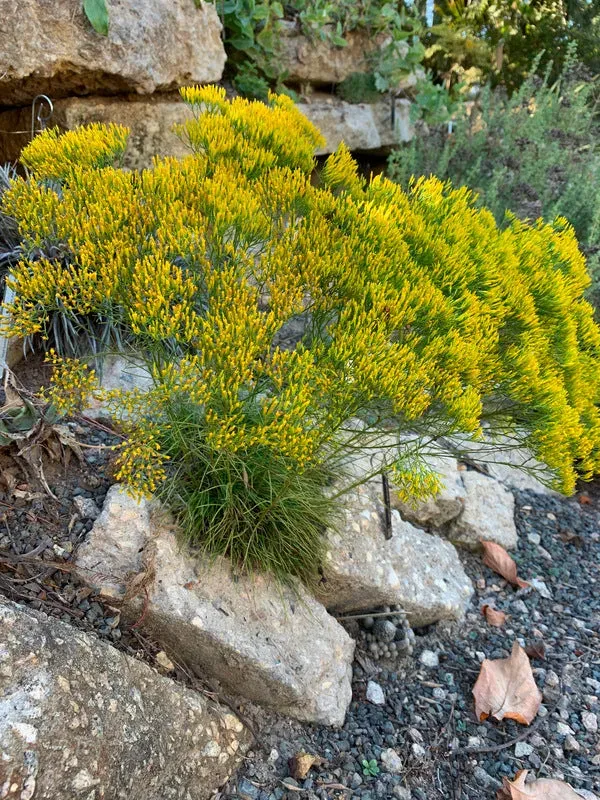
Description
Growing requirements
Bigelowia laevicaulis, a member of the Asteraceae family, is a perennial herb known for its resilience and adaptation to harsh environments. Native to North America, this plant thrives in open, sun-drenched habitats with well-drained, often rocky or sandy soils.
The plant demonstrates impressive drought tolerance, making it a viable candidate for cultivation in arid or semi-arid regions. It requires full solar exposure to maximize biomass development and maintain structural integrity during the growing season.
Soil conditions should be maintained within a neutral to slightly acidic pH range. While the plant can survive in nutrient-poor soils, a moderate application of mineral supplements can enhance its growth rate, especially during the early stages of establishment.
The climate requirements include a preference for areas with defined warm seasons. However, the plant is hardy enough to withstand significant temperature fluctuations, which contributes to its broad adaptability across diverse geographical zones.
Proper field management involves ensuring adequate drainage, as the root system is highly susceptible to hypoxia if waterlogging occurs. Regular monitoring for pests, particularly those affecting the Asteraceae family, is recommended to ensure crop vigor.
Main diseases and pests
Like many members of the Asteraceae family, Bigelowia laevicaulis can be affected by specific fungal pathogens if humidity levels remain consistently high. Root rot and powdery mildew are among the primary threats in poorly ventilated or waterlogged agricultural settings.
Insects such as aphids and certain types of caterpillars can cause damage to the tender parts of the plant during the early growth phase. Integrated pest management strategies, including the use of beneficial insects, are effective in controlling these populations.
Environmental stress, such as extreme heat or prolonged drought combined with soil compaction, can weaken the plant's natural defenses, making it more susceptible to secondary infections. Maintaining soil aeration is crucial for preventing these issues.
Weed competition is a significant threat to young plants, as Bigelowia laevicaulis is not always highly competitive during its establishment phase. Manual or mechanical weeding between rows is necessary to minimize competition for water and sunlight.
Monitoring the plant for signs of nutrient deficiencies, which might be mistaken for disease symptoms, is an important aspect of crop management. Providing balanced mineral nutrition helps build the plant's resistance to typical field diseases.
Harvesting
Harvesting Bigelowia laevicaulis for biomass should be timed with the peak of the flowering stage, when the concentration of essential secondary metabolites is highest. This ensures the best quality of the raw plant material for its intended use.
The harvesting process should be conducted under dry conditions to minimize the risk of post-harvest spoilage. Mechanical harvesters should be adjusted to prevent excessive damage to the stems, which can affect the drying efficiency.
Seed harvesting is performed when the flower heads have transitioned to a mature, brownish state. Careful handling is required to prevent the premature release of seeds, which are typically wind-dispersed, leading to yield loss.
Post-harvest processing involves immediate drying in a well-ventilated, shaded environment to preserve the chemical properties of the plant tissues. Avoiding direct sunlight during drying is critical to prevent the degradation of volatile compounds.
Storage of the processed material must be in moisture-proof containers to maintain long-term stability and quality. Properly dried material can be stored for extended periods, making it suitable for distribution and industrial processing.