

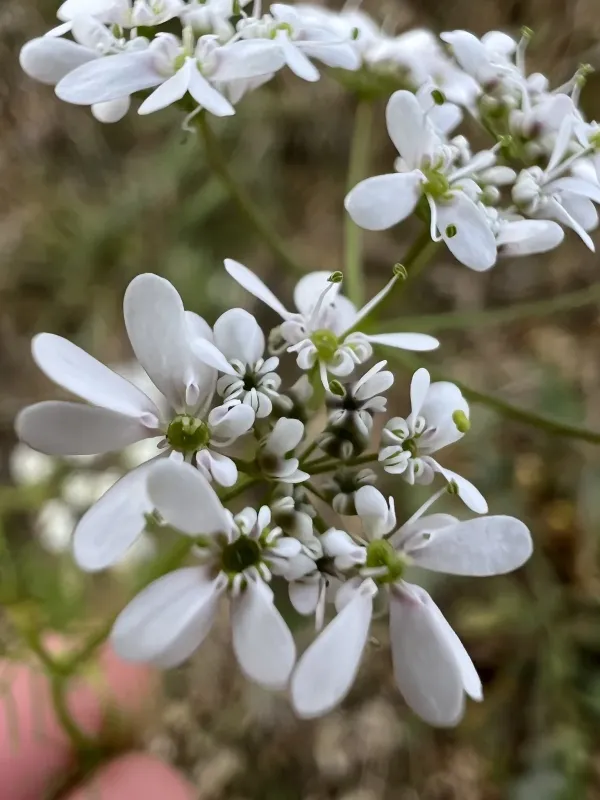
Description
Sowing dates
Bifora radians is an annual herbaceous plant belonging to the Apiaceae (parsley) family. It is recognized primarily for its aromatic seeds and essential oil content, which make it a niche but valuable agricultural crop.
The sowing process begins in early spring as soon as the soil reaches workable conditions. Being a cold-hardy plant, it benefits from early planting to establish a strong root system before the onset of summer heat.
Seeds are sown using standard row spacing of 15-20 cm. A shallow planting depth of 2-3 cm is recommended to ensure that the small seeds have sufficient access to soil moisture while avoiding deep burial that could hinder germination.
Seedbed preparation is crucial; the soil must be finely pulverized to allow for uniform seed-to-soil contact. Proper preparation ensures that the crop emerges evenly across the entire field.
A plant density of 300-400 plants per square meter is considered optimal. This density balances the need for maximum biomass production with the requirement for adequate airflow to prevent fungal diseases.
Growing requirements
Bifora radians thrives in well-lit, sunny environments with fertile, light-textured soils. It performs best in neutral to slightly alkaline pH soils, showing great adaptability to various regional conditions.
Water management is critical during the initial growth phases. While the plant exhibits significant drought tolerance once established, consistent soil moisture during the vegetative stage is essential for high yields.
The plant requires moderate temperatures, typically between 18 and 24 degrees Celsius. It is relatively sensitive to extreme heat and waterlogging, both of which can significantly stress the plant.
Fertilization should prioritize phosphorus and potassium to strengthen the stem and improve seed oil quality. Excessive nitrogen should be avoided as it promotes vegetative growth at the expense of oil yield.
Weed control is the most important cultural practice during the early stages of development. Because the plant grows slowly at the start, maintaining a weed-free field is necessary to reduce competition for nutrients.
Main diseases and pests
Powdery mildew is the most common fungal disease affecting Bifora radians, particularly in environments with high humidity and stagnant air. Crop rotation is the most effective preventive strategy.
Pests such as aphids and various bugs can cause damage by feeding on young stems and flowers. This reduces the reproductive capacity of the plants and lowers the overall yield of high-quality seeds.
Integrated pest management (IPM) is highly recommended. The focus should be on biological control methods to preserve the aromatic profile of the plant and ensure the end-product meets quality standards.
Soil-borne pests like wireworms can damage the roots. Regular crop rotation and proper field hygiene are necessary to disrupt the life cycles of these insects and minimize their impact on the field.
Stems prone to lodging due to heavy rain or wind represent a physical threat to the harvest. Keeping the crop healthy and maintaining proper density can help mitigate this risk during the season.
Harvesting
Harvesting is performed at the stage of full seed maturity when the seeds turn a distinct brown color. Timing is essential, as the seeds have a natural tendency to shatter if left in the field too long.
Direct combining is the standard method for harvesting. Careful calibration of the harvester’s drum speed is necessary to prevent seed damage while ensuring all plant material is gathered efficiently.
Post-harvest processing involves immediate cleaning and drying of the seeds. Ensuring that seed moisture remains below 12% is critical for safe, long-term storage and preventing degradation of the volatile oils.
The resulting seeds are used in various industries, including food flavoring and herbal medicine. The quality of the final product depends largely on the efficiency of the cleaning process to remove plant debris.
Proper storage in cool, ventilated facilities helps maintain the integrity of the essential oils found within the seeds. High-quality production practices result in a premium aromatic ingredient for commercial use.
Content graph
Connections · Bifora radians
Most often together:
Marketplace