
Bertiera rufa
Bertiera rufa
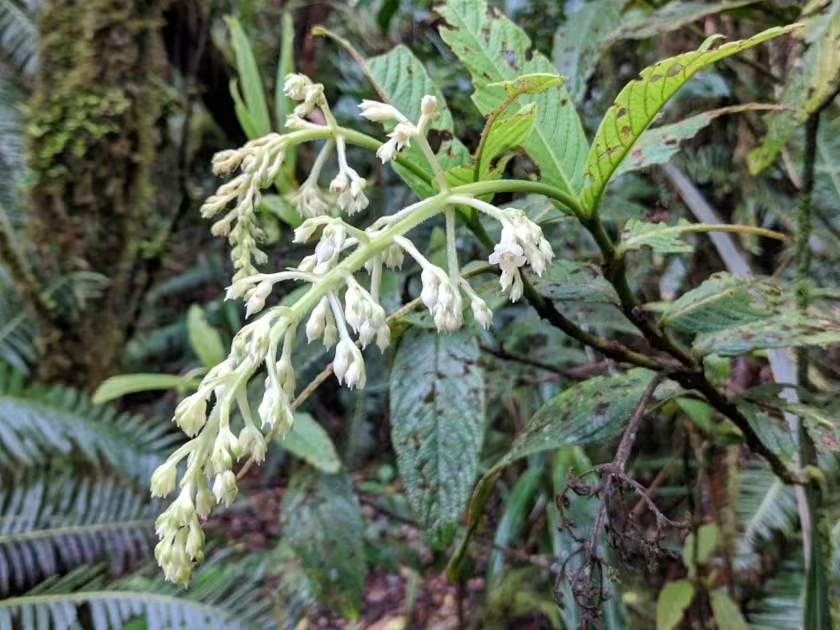
Description
Sowing dates
Bertiera rufa is a member of the Rubiaceae family, which reproduces primarily through seeds in the humid tropical regions of its native African habitat.
In cultivation, seeds are sown into a well-drained, porous substrate enriched with organic matter, ideally immediately after the fruits have matured.
The optimal timing for sowing is at the beginning of the rainy season, which provides the natural temperature cycles required for successful germination.
For greenhouse production, maintaining soil temperatures between 22 and 25 degrees Celsius is essential to activate the embryo effectively.
Seeds should be sown at a very shallow depth, as they require filtered light to trigger the developmental processes of the emerging seedlings.
Growing requirements
This species is a typical dweller of tropical rainforests, making high relative humidity an essential condition for its sustained growth.
The growing medium must provide excellent drainage to prevent waterlogging, which the root system of this plant is highly sensitive to.
Lighting should be shaded or diffused, as direct sunlight can easily scorch the foliage and significantly inhibit the plant's metabolic rates.
Bertiera rufa requires a stable tropical climate without sharp seasonal fluctuations and is strictly non-tolerant to any degree of frost.
Nutrient requirements are best met by regular applications of organic fertilizers that replicate the forest floor's decomposition cycle.
Yield
Bertiera rufa is not a traditional food crop; its primary use is within the scope of botanical research and specialized tropical horticulture.
Biological productivity is measured by the biomass accumulation and the density of the foliage crown developed during the growing season.
Seed yield varies significantly depending on the presence of local pollinators, which are necessary for the fertilization of the inflorescences.
Potential industrial applications include the study of chemical compounds within the leaves, requiring plantation-scale cultivation methods.
Success in production depends on precise environmental control, including regular watering schedules and optimal soil aeration in containers.
Main diseases and pests
Fungal pathogens are the most common threat, often appearing when humidity levels remain stagnant without proper air circulation around the plants.
Root rot remains a major risk if the soil structure becomes compacted, leading to poor drainage and subsequent anaerobic conditions.
Common pests, such as spider mites and scale insects, frequently infest the plants when indoor humidity levels drop below the required threshold.
Bacterial stem infections can occur through open wounds caused by improper pruning, highlighting the need for sterile maintenance practices.
Invasive weed species can rapidly outcompete young seedlings in the nursery phase, slowing down the overall establishment of the culture.
Harvesting
The harvest of plant parts or seeds is performed manually, with timing determined by the specific physiological maturity of the individual plant.
Seeds must be cleaned of pulp and lightly air-dried after harvest to prevent fungal decay while they are held in storage for future use.
Pruning of vegetative material is conducted during periods of slowed growth to shape the plant and maintain its overall health and vigor.
All equipment used during harvesting or maintenance must be disinfected to prevent the cross-contamination of pathogens between healthy plants.
Collected materials should be stored and transported under conditions that prevent the roots from drying out and protect fragile tissues.