
Bertiera borbonica
Bertiera borbonica
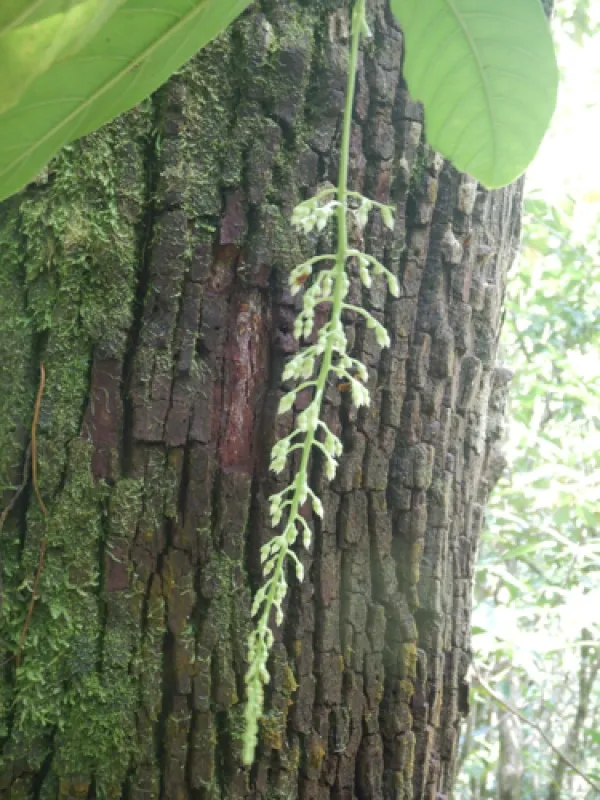
Description
Growing requirements
Bertiera borbonica is a perennial evergreen shrub belonging to the Rubiaceae family. This plant is an endemic species of Reunion Island, which determines its extremely narrow natural range within tropical environmental conditions.
Biologically, the crop gravitates toward humid forest masses with high rainfall and stable air temperatures. It prefers well-drained, fertile soils rich in organic humus, typical of the volcanic islands of the Indian Ocean.
In cultivation, the plant requires strict adherence to humidity parameters, as it is sensitive to sharp microclimate changes. Optimal conditions for vegetation include partial shading, simulating the natural canopy of a tropical forest.
The culture has specific morphological features: opposite leaf arrangement and a typical inflorescence structure for the family. Flowering is accompanied by the formation of small but fragrant flowers that attract local pollinators.
The economic importance of the species is currently limited primarily to biodiversity conservation and specialized ornamental landscaping in the tropical belt. Research on commercial cultivation as agricultural raw material is almost non-existent due to its status as a rare and protected species.
Main diseases and pests
Among the main factors limiting the plant population are invasive species that displace Bertiera from its natural habitats. Competition for nutrients and light resources becomes the main threat to maintaining the stability of the species.
Typical phytopathological problems in high-humidity conditions include fungal infections affecting the leaf apparatus. The development of mold fungi is triggered by air stagnation and a lack of proper ventilation in the growing area.
Pests typical of tropical Rubiaceae include various insect phytophages and sucking parasites, such as scale insects and mealybugs. They can significantly weaken the plant, reducing its defensive functions and growth rates.
The reaction to anthropogenic impact is expressed extremely negatively. Changes in the hydrological regime of the soil or the chemical composition of the substrate lead to rapid depression of the root system and subsequent death of specimens.
Protective measures regarding this species are reduced to the organization of protected areas and strict control of the phytosanitary state. The use of aggressive pesticides near natural populations is strongly discouraged due to the plant's high sensitivity.