
Berlinia bracteosa
Berlinia bracteosa
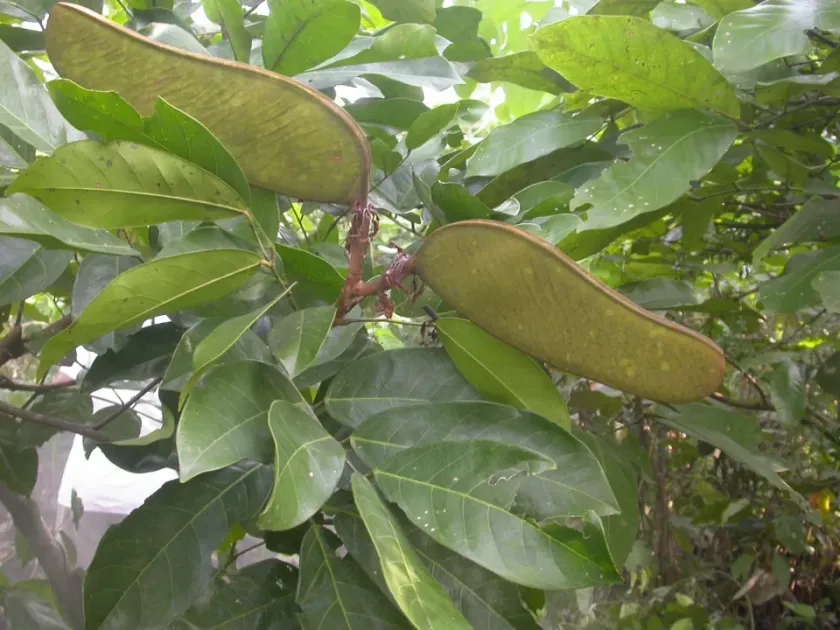
Description
Growing requirements
Berlinia bracteosa is a significant tropical tree species belonging to the Fabaceae family. Native to the dense, humid rainforests of West and Central Africa, this species thrives in high-temperature environments with substantial annual rainfall.
The cultivation of this species requires deep, fertile, and well-drained soils. As a tropical plant, it is sensitive to prolonged dry spells and requires consistent moisture levels in the soil profile to maintain vigorous physiological growth.
Botanically, the tree is characterized by its distinctive bracts, which provide a unique appearance to its inflorescences. It forms part of the primary forest canopy, contributing significantly to the structural complexity of its native habitat.
In terms of silviculture, initial establishment requires careful management of light levels, as seedlings need protection from harsh, direct sunlight. As the trees mature, they develop a robust structure capable of withstanding the local climatic conditions.
The primary economic interest lies in its dense, durable wood, which is utilized for construction, high-quality furniture, and interior cabinetry. The durability of the timber makes it a valuable asset in tropical forestry markets.
Yield
The yield potential of Berlinia bracteosa is generally evaluated based on timber volume and growth rates over long cycles. Unlike fast-growing crops, this species requires a long-term management strategy to optimize the harvest.
Commercial yields are contingent upon proper forest management practices, including thinning and protection from fungal attacks. Proper spacing ensures that individual trees achieve maximum girth and height, increasing the final yield of high-quality wood.
Natural regeneration can be supplemented by nursery-grown seedlings to ensure the density of the stand. The reproductive biology of the species supports ecological stability, providing a sustainable basis for forest utilization.
Wood properties are highly regarded for their resilience against decay, which is a major advantage in tropical environments. This makes Berlinia bracteosa a preferred choice for external structural applications where moisture resistance is critical.
Sustainable harvesting remains the core focus of modern forestry programs, ensuring that the economic benefits of the timber are balanced with the need for environmental conservation and long-term viability of the species populations.