
Berlinia acuminata
Berlinia acuminata
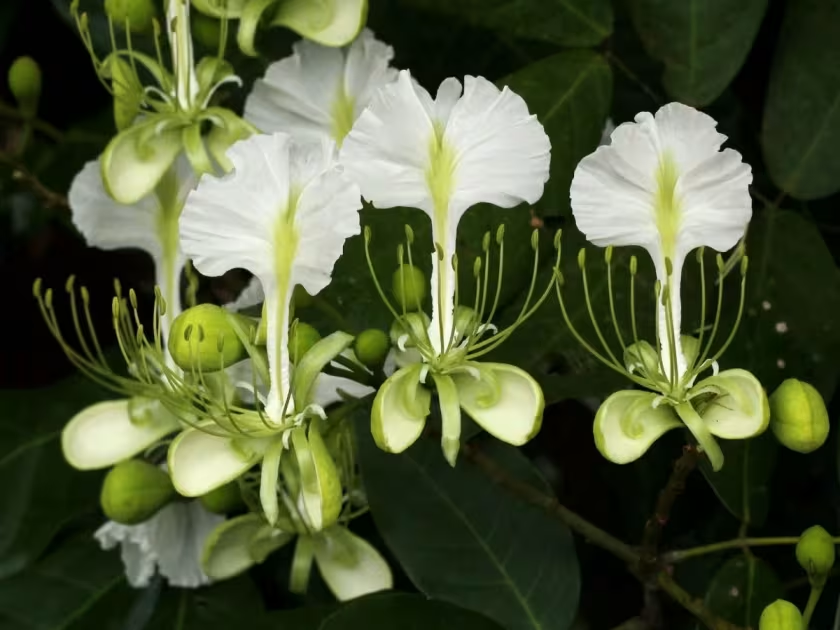
Description
Growing requirements
Berlinia acuminata is a significant tree species belonging to the Fabaceae family, native to the tropical forests of West and Central Africa. Known for its robust growth, this plant is an essential component of the diverse ecosystems in its natural habitat.
The climate requirements for this species are strictly tropical, demanding high temperatures and consistent humidity throughout the year. It thrives in regions with abundant rainfall and is not adapted to withstand prolonged drought or cold weather conditions.
Soil requirements for optimal health include deep, fertile, and well-drained ground. While the species can adapt to various forest soils, it performs best in rich substrates that provide adequate aeration to the root system, preventing waterlogging issues.
Botanically, the tree is recognized by its compound leaves and typical legume fruits. It grows into a substantial tree, developing a thick trunk with high-density wood, which is highly valued for its physical properties and structural stability.
Economic uses of Berlinia acuminata are centered on the timber industry, where its wood is processed for furniture, interior finishing, and construction. Furthermore, the tree contributes significantly to carbon sequestration and the maintenance of tropical forest biodiversity.
Main diseases and pests
Fungal pathogens remain a major threat to Berlinia acuminata, especially in environments with stagnant air and excessive moisture. These pathogens can attack the bark and root systems, leading to rot and structural degradation of the tree.
Wood-boring insects are the most prevalent pests that affect both standing trees and harvested lumber. Implementing integrated pest management strategies is crucial for protecting the value of the timber harvested from these forests.
Deforestation and habitat loss are critical threats impacting the survival of this species in the wild. Sustainable forestry practices and strict conservation measures are necessary to ensure that the population of Berlinia remains stable over the long term.
Competition from aggressive invasive plant species can hinder the establishment of seedlings in forest regeneration areas. Regular site maintenance and thinning are standard practices to ensure that young trees receive sufficient light and nutrients.
Environmental stress caused by climate change often exacerbates the vulnerability of the species to various pests and diseases. Continuous monitoring of forest health is essential to detect early signs of infestation and mitigate potential damage to the canopy.