
Egyptian onion
Allium x proliferum (Moench) Schrad. ex Willd.
Description
Sowing dates
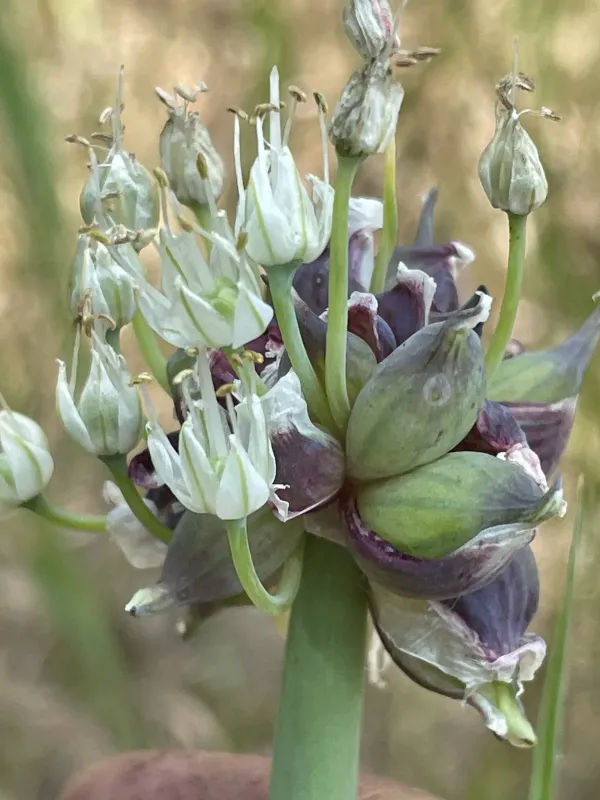
Egyptian onion (Allium x proliferum), belonging to the Amaryllidaceae family, is a unique perennial crop that propagates mainly through bulblets formed on the flower stalks.
The planting of this onion can be performed either in early spring or in late summer to early autumn, allowing sufficient time for root establishment before the ground freezes.
Propagation is primarily done using the aerial bulbils (topsets) or by dividing established underground clumps during the dormant season.
A recommended spacing of 25–40 cm between rows and 15–20 cm between individual plants is ideal for ensuring proper airflow and nutrient access.
This hardy perennial is extremely cold-tolerant, making it suitable for regions with harsh winter climates where other bulbous vegetables might struggle.
Growing requirements
The plant thrives in full sun, as shading can lead to stunted development of the aerial bulblets and reduce the overall vigor of the green foliage.
It prefers fertile, well-drained loamy or sandy soils with a neutral pH, avoiding sites that are prone to waterlogging or heavy clay conditions.
Regular but moderate watering is necessary during the active growing phase, particularly during dry spells to maintain high-quality leaf production.
The crop responds positively to organic fertilization, such as well-rotted compost, which helps maintain soil structure and provides necessary nutrients.
Proper site preparation, including weeding and soil aeration, is essential to ensure that the perennial clumps can remain productive for several years.
Yield
The primary economic value of this crop lies in its early-season production of fresh, flavorful green leaves, which emerge earlier than most other onion species.
Yields can reach up to 3–5 kg per square meter per season, provided the crop is managed with regular harvests and adequate nutritional support.
In addition to the leaves, the aerial bulbils are culinary assets, offering a spicy flavor that is excellent for pickling or as an ingredient in savory dishes.
The regenerative nature of the plant allows for multiple harvests of green tops throughout the growing season without killing the underground bulb system.
It also serves as an ornamental plant in gardens due to its distinct, multi-layered appearance of clustered bulblets growing on stalks.
Main diseases and pests
Common pests include onion maggots and thrips, which can damage the quality of the foliage and reduce overall plant health if left unmanaged.
Fungal diseases like downy mildew (Peronospora destructor) can occur, especially in humid conditions, characterized by greyish spots and leaf wilting.
Crop rotation and keeping planting areas free of debris are primary methods to reduce the incidence of soil-borne pathogens and insect larvae.
Applying integrated pest management strategies, including the use of biological controls, is highly recommended for maintaining healthy and safe yields.
Ensuring adequate space between plants is a simple but effective cultural practice to minimize humidity levels and prevent the spread of fungal spores.
Harvesting
Harvesting the green leaves can begin when they reach a height of 20–25 cm, providing a continuous supply of fresh produce throughout the spring months.
The aerial tops are gathered when they reach full maturity, indicated by a firm texture and easy detachment from the stalk, typically in mid-to-late summer.
Underground bulbs should be harvested when the foliage naturally starts to yellow and wither, signaling the end of the active vegetation cycle.
Post-harvest storage requires a cool, dry, and well-ventilated environment, as the bulbs have a relatively short dormancy period and will sprout if kept too warm.
For long-term storage, the green tops can be flash-frozen or dehydrated, preserving their nutritional profile and sharp flavor for culinary use.