
Begonia tomentosa
Begonia tomentosa
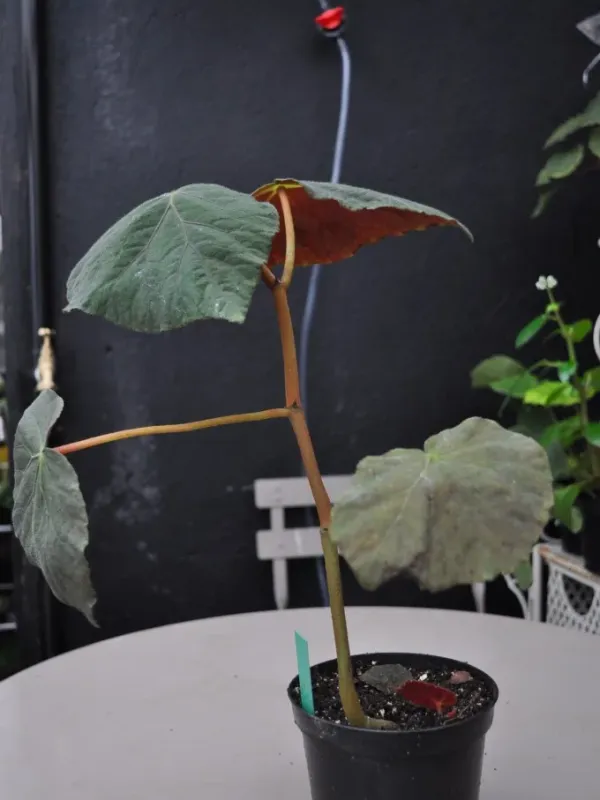
Description
Growing requirements
Begonia tomentosa is a member of the Begoniaceae family, distinctively known for the dense, hair-like trichomes that cover its leaves. This species originates from high-altitude tropical environments, necessitating consistent environmental conditions for optimal health.
The plant thrives in a porous, well-aerated potting mix that ensures excellent drainage. A substrate composed of peat, perlite, and coarse sand is highly recommended to prevent the root suffocation common in heavier soils.
Bright, indirect light is essential for maintaining the plant's structural integrity and leaf morphology. Exposure to harsh, direct sunlight will quickly scorch the delicate, fuzzy foliage, significantly reducing the plant's aesthetic and physiological vigor.
Environmental temperatures should be maintained between 18°C and 23°C throughout the year. The species is sensitive to extreme temperature fluctuations and requires protection from cold drafts, especially during the winter months.
Irrigation practices must be calibrated carefully; water should be applied directly to the soil, avoiding the leaf surfaces to prevent trapping moisture in the dense hairs, which can lead to rapid fungal decay.
Main diseases and pests
The primary threats to Begonia tomentosa are pathogenic fungi, specifically those causing powdery mildew and stem rot. These pathogens flourish when ventilation is inadequate and ambient humidity remains excessively high.
Insect pests, including spider mites and mealybugs, frequently colonize the sheltered areas on the underside of leaves. These pests exploit the plant's tissues, leading to chlorosis and stunted growth patterns.
Regular sanitation, including the removal of dead or senescing leaves, is a critical preventative measure that significantly lowers the risk of disease outbreaks within a collection.
In case of severe infestations or infections, the application of systemic fungicides or specific acaricides is necessary to eliminate the source of stress without damaging the plant's unique foliage.
Monitoring the plant's health through weekly inspections is recommended to detect any signs of pest activity or nutrient deficiency before they compromise the overall vitality of the specimen.