
Socotra begonia
Begonia socotrana
Description
Growing requirements
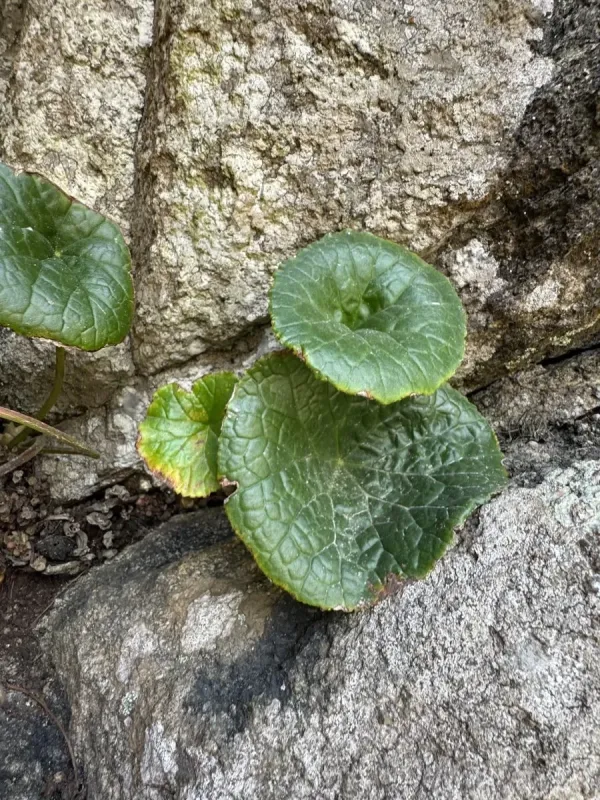
The Socotra begonia (Begonia socotrana) is a perennial tuberous species belonging to the Begoniaceae family. Originating from the island of Socotra, it is highly valued as a foundation for breeding many hybrid indoor varieties.
The plant requires a specific light regime to trigger flowering. It prefers bright, indirect light conditions, as direct sunlight often causes leaf scorch and dehydration, significantly reducing its ornamental value.
The soil should be a well-draining, nutrient-rich potting mix. A balance of peat moss, perlite, and coarse sand is ideal to prevent waterlogging, which is a common cause of tuber decay in this species.
Temperature management is critical for the lifecycle. While it thrives at 18–22 °C during its active growth phase, it requires a cooling-off period during dormancy to ensure the development of new buds.
Humidity management is essential for this plant. Maintaining a humidity level of 60% or higher is recommended, which can be achieved through ultrasonic humidifiers or pebble trays in indoor greenhouse conditions.
Main diseases and pests
Powdery mildew is a primary fungal threat, appearing as a white dusting on leaves and stems. Proper ventilation is the most effective preventative measure to discourage the establishment of fungal spores.
Root rot, typically caused by Pythium species, poses a lethal threat if the growing medium remains consistently saturated. Overwatering is the most frequent mistake made during the cultivation cycle.
Spider mites are notorious pests that thrive in the dry environments often found in homes during winter. These tiny arachnids suck plant sap, leading to fine webbing and yellowing of the foliage.
Whiteflies and aphids can also infest the plants, causing sticky residue buildup and promoting the growth of sooty mold. Regular monitoring of the foliage is required to implement control measures early.
Treatment involves specific systemic fungicides and insecticides. Integrated pest management practices, including biological control agents or targeted chemical applications, help maintain plant health throughout the season.