
Begonia minor
Begonia minor
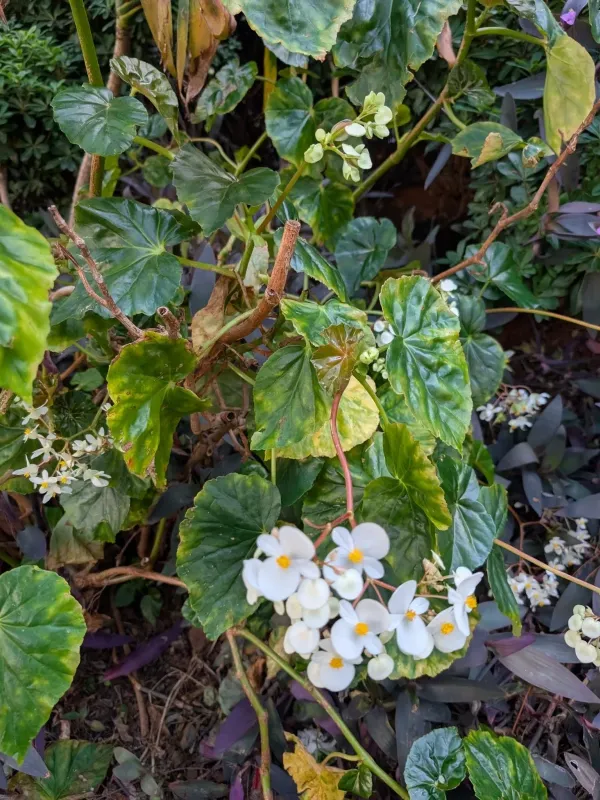
Description
Growing requirements
Begonia minor is a species of flowering plant within the Begoniaceae family. Originating from the tropical habitats of Jamaica, this plant is well-adapted to environments characterized by consistent humidity and shaded conditions found on the forest floor.
Botanically, the species is recognized for its delicate stem structure and distinct asymmetric leaf shapes. The plant typically exhibits a creeping growth habit, making it suitable for specific horticultural applications where ground cover or container display is required.
Cultivation requires a growing medium that is loose and fertile, with an ideal pH range of 5.5 to 6.5. Good drainage is paramount; the plant cannot tolerate waterlogged soils, which lead to rapid root zone degradation and pathogen susceptibility.
Climate requirements include a stable temperature range between 18°C and 24°C. Exposure to extreme cold or sudden thermal fluctuations can cause significant physiological stress, often resulting in leaf senescence and diminished vigor.
Light management is crucial, as Begonia minor thrives under filtered light conditions. Direct sunlight exposure causes chlorosis and burning on leaf surfaces, thus necessitating the use of shade cloth or strategic placement in greenhouse settings.
Main diseases and pests
The primary pathological threats to Begonia minor include fungal infections such as powdery mildew, which thrive in conditions with poor airflow and high humidity. These infections manifest as superficial white growths that interfere with photosynthesis.
Botrytis blight represents another major threat, particularly in greenhouse production where humidity levels remain elevated. This fungus can rapidly destroy tissue, leading to necrosis of stems and leaves if not controlled through proactive sanitation.
Insect pests such as spider mites and whiteflies frequently infest the foliage. These pests compromise plant health by extracting cell sap, which often leads to the transmission of secondary viral diseases and overall plant weakening.
Management of these threats involves a combination of environmental control and chemical intervention. Proper spacing between plants is essential to promote air circulation and reduce the localized humidity that favors pathogen development.
Regular monitoring of the leaf undersides is recommended to detect pest infestations at an early stage. Integrated Pest Management (IPM) strategies, including the use of biological controls, are highly effective in maintaining the health of the crop.